.png)
Moving House HVAC Checklist: Essential HVAC Moving Tips and System Preparation for Relocation
By Lindsay Moore, Cool Breeze heat and Air
Relocating to a new home can be a complex process, especially when it comes to ensuring that your HVAC system is properly prepared for the move. A comprehensive HVAC moving checklist is essential for protecting your heating and cooling equipment, maintaining efficiency, and preventing costly repairs. In this article, you will learn the critical steps necessary for a successful HVAC system relocation. We will explore specific pre-move checklist steps, safe disconnection and transportation procedures, and installation practices to ensure your system functions optimally in your new home. Additionally, we will discuss the importance of hiring local HVAC experts who understand the unique needs of residents in Daytona Beach and Volusia County.
What Are the Key HVAC Pre-Move Checklist Steps You Need to Follow?
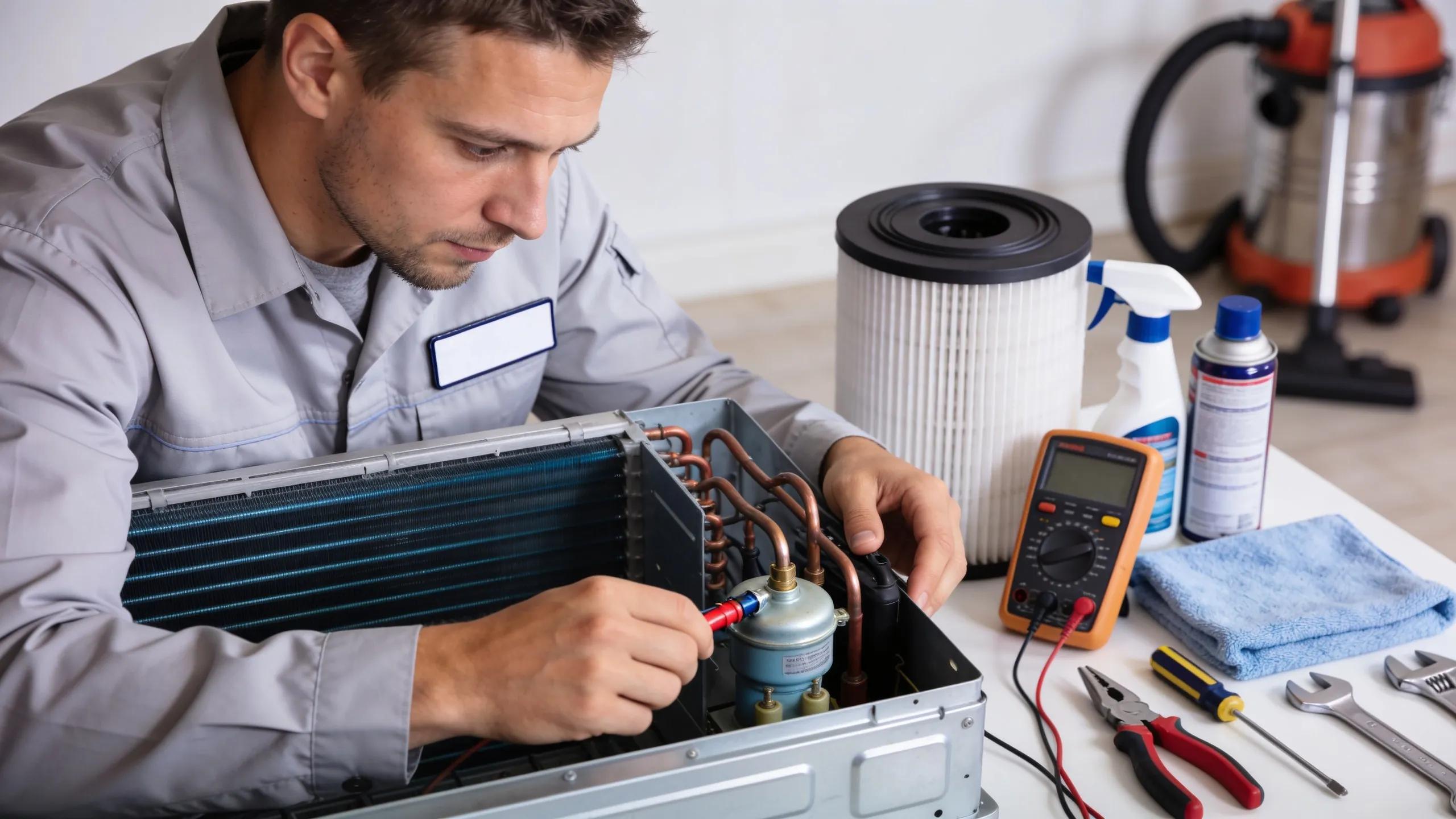
Before making your move, several key steps need to be executed to ensure a smooth transition for your HVAC system. Following these guidelines minimizes the risk of damage and promotes optimal performance once installed in your new location.
- Inspect HVAC Components: Conduct a thorough inspection of your system, looking for any signs of wear and tear or malfunctions. This is crucial for identifying any potential issues before the move.
- Clean Ducts and Filters: Clean the air ducts and replace air filters to ensure that your HVAC system operates efficiently. A clean system reduces the risk of dust accumulation and promotes air quality.
- Schedule Professional Service: Hire an HVAC professional to conduct a complete maintenance check. They can address any underlying issues and offer guidance on preparing your specific system for the move.
How to Inspect and Maintain Your HVAC System Before Moving
Inspecting your HVAC system prior to relocation involves several detailed steps. Focus on vital areas such as:
- Thermostat: Verify that the thermostat functions correctly, as any faults can impact system performance.
- Refrigerant Levels: Check refrigerant levels in the AC unit; low levels can indicate leaks or inefficiencies.
- Ductwork: Examine ductwork for any cracks or disconnections that could impact airflow in the new home.
Maintaining your HVAC system through these preliminary checks ensures optimal functionality during the moving process, setting the stage for proper installation in the new environment.
Which HVAC Components Require Special Preparation for Relocation?
Certain components of your HVAC system demand special attention during relocation:
- Refrigerant Handling: It’s important to have a licensed technician handle refrigerant to prevent environmental damage and ensure compliance with regulations.
- Electrical Connections: Disconnecting electrical connections requires caution. Ensure power is turned off to avoid risks during disconnection.
- Ductwork Considerations: Properly secure and protect ductwork during transport to prevent damage such as bends or tears that could disrupt airflow.
Taking the necessary precautions allows for a more seamless relocation process and helps to maintain system efficiency at your new home.
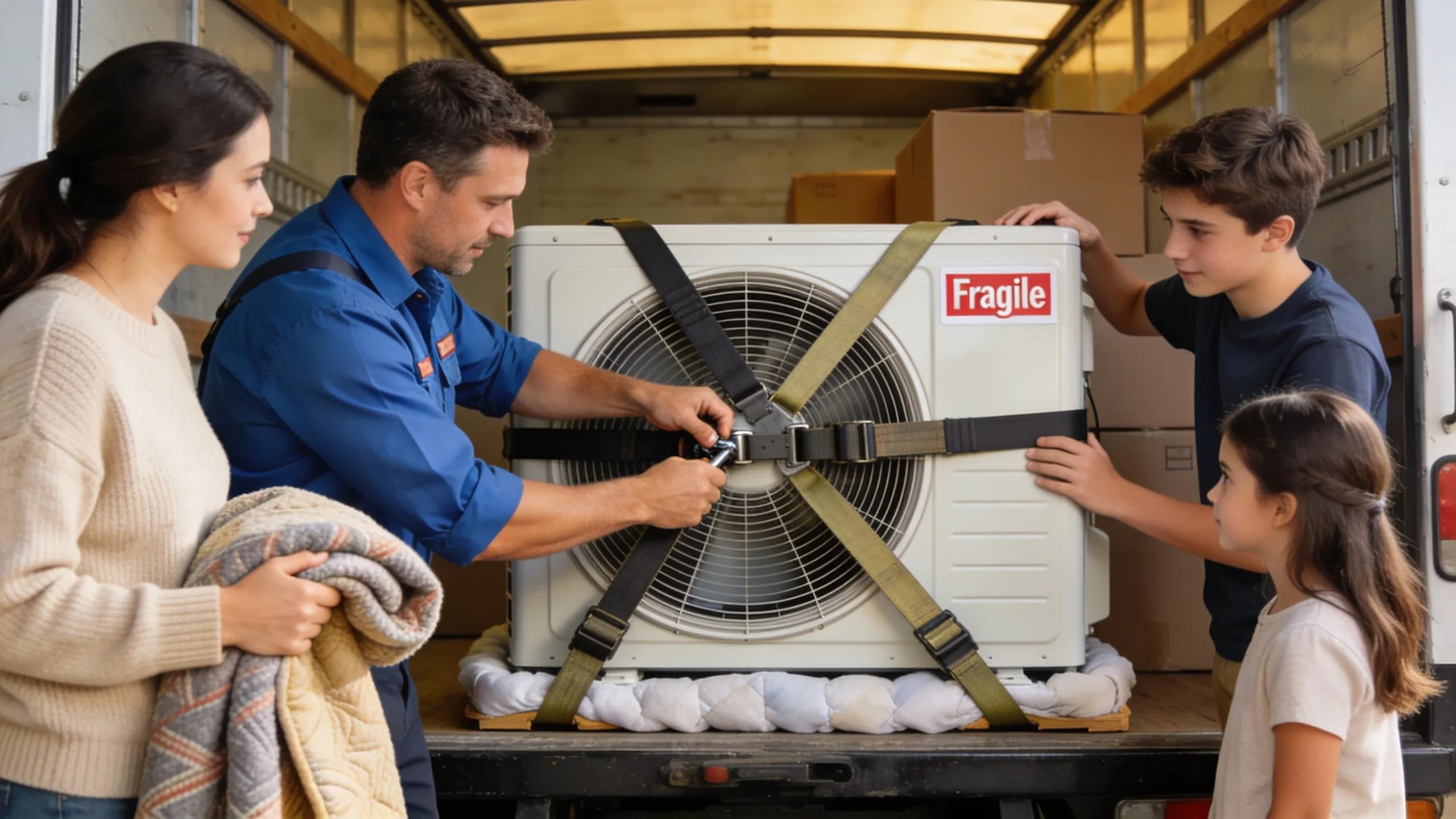
How Should You Safely Disconnect and Transport Your HVAC System During Moving?
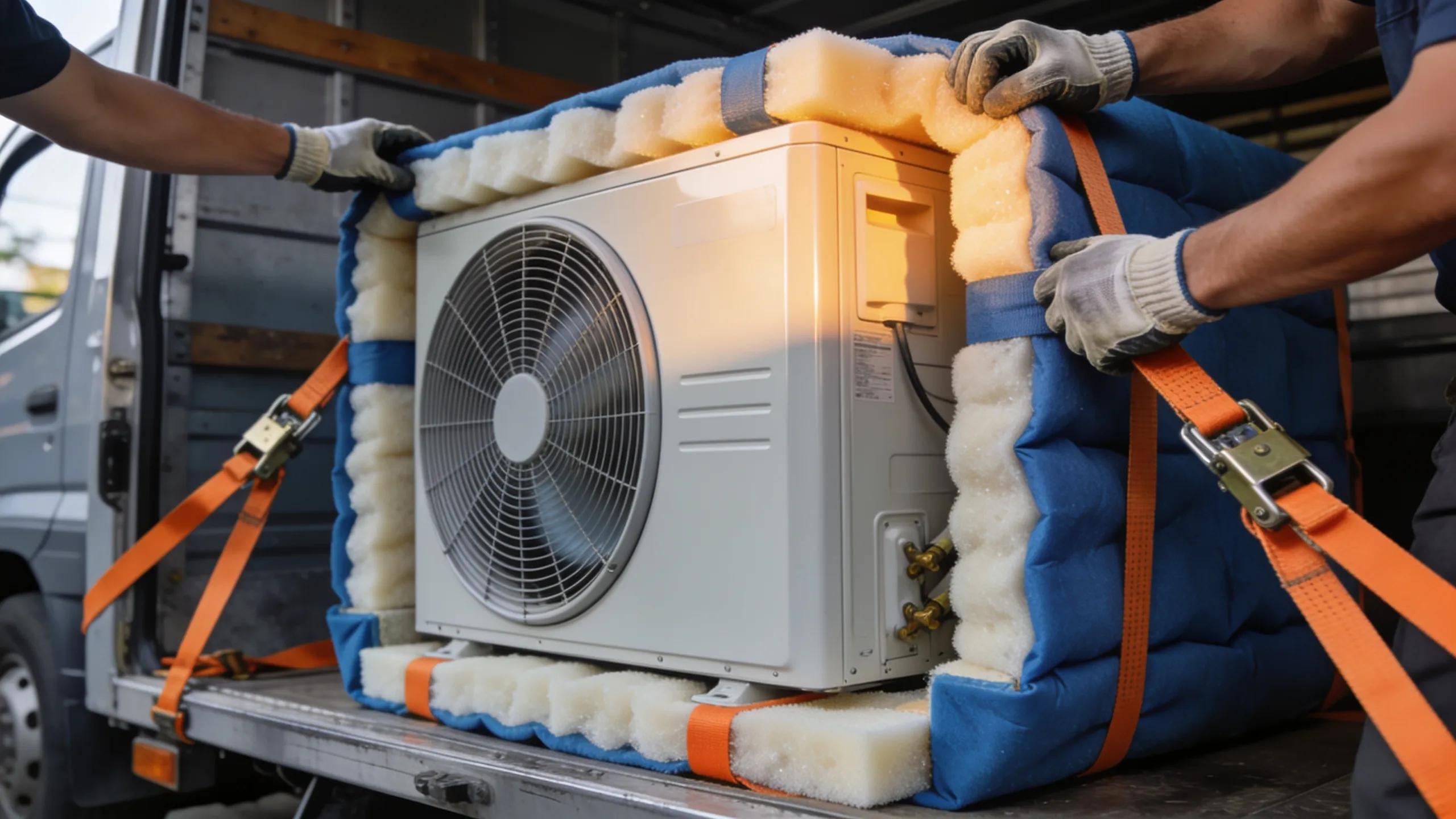
Given the complexities of HVAC systems, safe disconnection and transportation are critical for ensuring equipment integrity. The following steps should be adhered to:
- Correct Disconnection Procedures: Follow a systematic approach to safely disconnect the system. This includes turning off the power and carefully disconnecting refrigerant lines.
- Safety Considerations in Transit: Protect your HVAC units with appropriate padding to avoid scratches or dents. Ensure they are secured during transport to prevent shifting and damage.
- Transporting Tips for HVAC Equipment: Use professional moving services experienced with HVAC systems, as they understand the nuances of securely handling such equipment.
What Are the Proper HVAC System Shutdown and Disconnection Procedures?
Proper shutdown of your HVAC system is essential and includes the following steps:
- Power Off Procedures: First, switch off all power to the system to ensure safety. This involves turning off breakers in your electrical panel.
- Disconnecting Gas Lines: For gas systems, safely disconnect gas lines, utilizing cap fittings to prevent leaks.
- Addressing Water Drainage: Make sure to drain any condensation from the system before moving, particularly for AC units that can accumulate moisture.
Executing these steps carefully protects both your HVAC equipment and your household during the moving process.
Which Transportation Considerations Protect Your HVAC Equipment in Transit?
When transporting HVAC systems, certain considerations can help mitigate potential damages:
- Best Transport Methods: Utilizing covered transport vehicles will protect equipment from the elements. Ensure vehicles can accommodate the dimensions and weight of your HVAC units.
- Protective Coverings: Use blankets or cushioning materials to wrap HVAC components, safeguarding against impacts that could cause internal or external damage.
- Positioning for Safety: Secure units in an upright position during transport to prevent oil leaks and physical damage.
Taking these steps ensures that your HVAC equipment arrives safely at your new location without unnecessary issues.
What Steps Are Involved in Post-Move HVAC Installation and System Testing?
Once you've relocated, properly installing and testing your HVAC system is crucial for Florida's changing climate conditions. Follow these steps to ensure efficiency:
- System Assessment After Moving: Before installation, inspect the system for any damage incurred during transport and assess the working condition of all components.
- Installation Best Practices: Follow manufacturer guidelines for installation. Make sure the unit is level and that ductwork connections are tight.
- Testing for Operational Efficiency: After installation, run the system to check for airflow, listen for unusual noises, and verify that the thermostat communicates effectively with the unit.
How to Ensure Correct HVAC Installation After Relocation?
To ensure correct installation of your HVAC system, consider the following checklist:
- Key Installation Checks: Verify that the system is properly leveled and that all connections are secure.
- Common Pitfalls to Avoid: Avoid over-tightening duct connections, as this can lead to leaks. Ensure that all electrical connections are checked for safety.
- Finalizing with Professional Checks: After installation, schedule a final inspection with an HVAC professional who can certify that everything is functioning as intended.
This thorough approach minimizes the chances of issues emerging post-move, providing peace of mind.
What Common HVAC Issues May Arise After Moving and How to Address Them?
After moving, several common HVAC issues might arise, including:
- Identifying Leaks: Look for signs of air leaks in ductwork or connections—these can severely impact system efficiency.
- Repair Options Available: Depending on the severity of any issues, options may include sealing ductwork, replacing components, or even upgrading the system altogether.
- When to Call for Professional Help: If you suspect significant issues like refrigerant leaks, do not hesitate to contact a qualified technician.
Understanding these potential issues allows you to proactively address them and maintain optimal comfort in your new home.
Why Is Booking Local HVAC Experts Important for Your Moving HVAC Needs?
Hiring local HVAC experts during a move provides significant advantages for homeowners. They bring:
- Familiarity with Local Building Codes: Experienced local HVAC professionals understand regulatory standards for installations unique to the area.
- Efficient Service Response Times: Local companies can often respond quicker than larger national entities, minimizing delays in ensuring your HVAC system is operational.
- Community Reputation Impact on Service Quality: Choosing local providers often leads to better service quality due to reputational stakes within the community.
These factors underscore the value of engaging local experts rather than opting for national chains.
How Does Local Expertise in Daytona Beach and Volusia County Enhance HVAC Moving Services?
Local expertise in Daytona Beach and Volusia County significantly enhances HVAC moving services:
- Understanding Local Climate Challenges: Professionals are adept at tailoring solutions based on regional climate characteristics, which can affect the efficiency of heating or cooling systems.
- Better Service Tailored to Local Requirements: Close connections with residents allow them to provide insights and support tailored to the specific needs of local homeowners.
- Strengthening Local Knowledge for Reliability: Knowledge of local suppliers and resources improves service reliability and quality, ensuring customers receive the best possible care.
These benefits demonstrate the importance of local engagement concerning HVAC services during a move.
What Services Does Cool Breeze Heat and Air LLC Offer for Moving HVAC Support?
Cool Breeze Heat and Air LLC provides a range of services designed to simplify the HVAC moving process:
- Consultation Services for New Homes: We offer personalized consultations to evaluate the HVAC needs of your new home.
- Efficient Installation Processes: Our skilled technicians perform installations quickly and accurately to ensure comfort as soon as possible.
- 24/7 Emergency Support: Our team is ready to assist at any hour with emergency situations to ensure you're never left without essential HVAC services.
These services reflect our commitment to ensuring your HVAC system transition is as smooth as possible while prioritizing customer satisfaction.