.png)
Hurricane Preparedness for HVAC Systems: Essential Storm Protection and Emergency Solutions
By Lindsay Moore, Cool Breeze heat and Air
Hurricane preparedness is crucial for homeowners, especially in regions prone to severe weather like Daytona Beach and Volusia County. Understanding how to protect your HVAC system can prevent costly repairs and ensure uninterrupted comfort during storms. This article delves into essential strategies and solutions for storm-proofing HVAC systems, addressing common challenges faced during hurricanes and providing actionable steps for homeowners. With effective preparation, you can secure your home’s heating and cooling system against hurricane-related damage. We'll explore protective measures, backup power solutions, and the importance of local expertise through various sections including pre-storm preparations and post-hurricane repairs.
How Can You Protect Your HVAC System Before a Hurricane?
Protecting your HVAC system begins prior to the hurricane’s arrival. Taking steps to secure and maintain your system can greatly reduce the risk of damage during severe weather. Here are several guidelines to follow in preparation for a hurricane:
- Turn Off Your HVAC System: Before the storm hits, ensure your HVAC system is turned off to prevent damage from power surges and flooding.
- Secure Outdoor Units: Elevate your outdoor HVAC units above potential flood levels, as standing water can damage them.
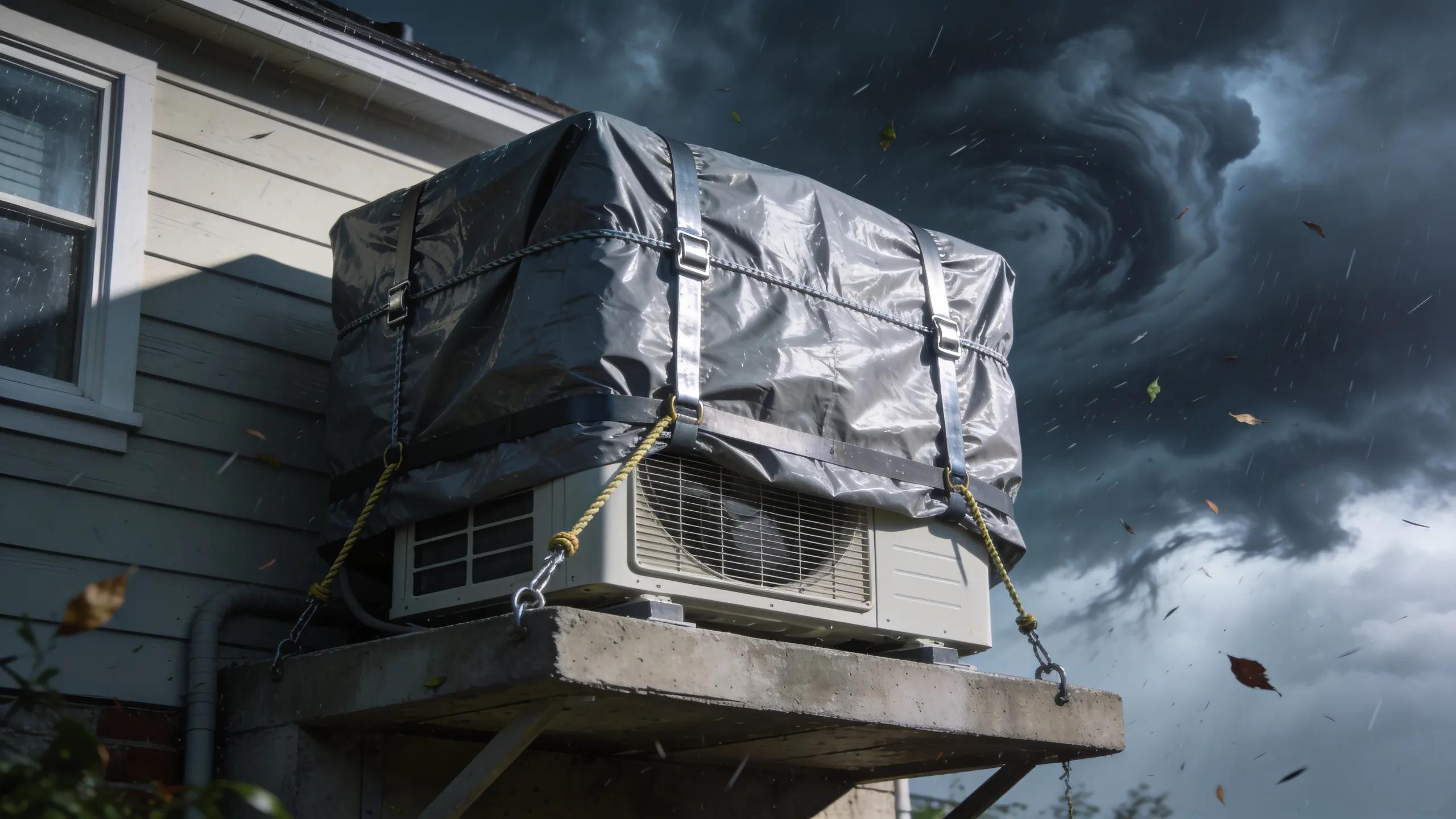
- Use Protective Covers: Invest in protective covers for outdoor equipment to shield them from flying debris and harsh weather conditions.
Following these measures helps prevent extensive damage and prepares your system for what might lie ahead.
What Pre-Storm Inspection and Maintenance Steps Should You Follow?
Conducting a pre-storm inspection can identify any existing issues that might worsen during a hurricane. Key maintenance steps include:
- Change HVAC Filters Regularly: A clean filter helps improve efficiency and air quality, which is vital in storm conditions.
- Inspect Electrical Connections: Ensure all electrical connections are secure and free from corrosion to prevent power-related issues during the storm.
- Check Refrigerant Levels: Low refrigerant levels can indicate leaks, which should be fixed before the storm to ensure optimal performance.
These proactive measures ensure that your HVAC system operates efficiently when you need it the most.
Which Surge Protection Options Safeguard Your Air Conditioner?
Protection against power surges is vital for safeguarding your air conditioner during a storm. Options include:
- Install Surge Protectors: These devices can protect your system from electrical surges triggered by lightning strikes or power outages.
- Use Backup Generators: A backup generator can supply power to your HVAC system during outages, preventing it from shutting down unexpectedly.
- Consider Flood Barriers: For areas with high flooding potential, setting up flood barriers can help keep water away from HVAC equipment.
Implementing surge protection can significantly mitigate the risk of electrical damage.
What Are the Best Backup Power Solutions for HVAC During Storms?
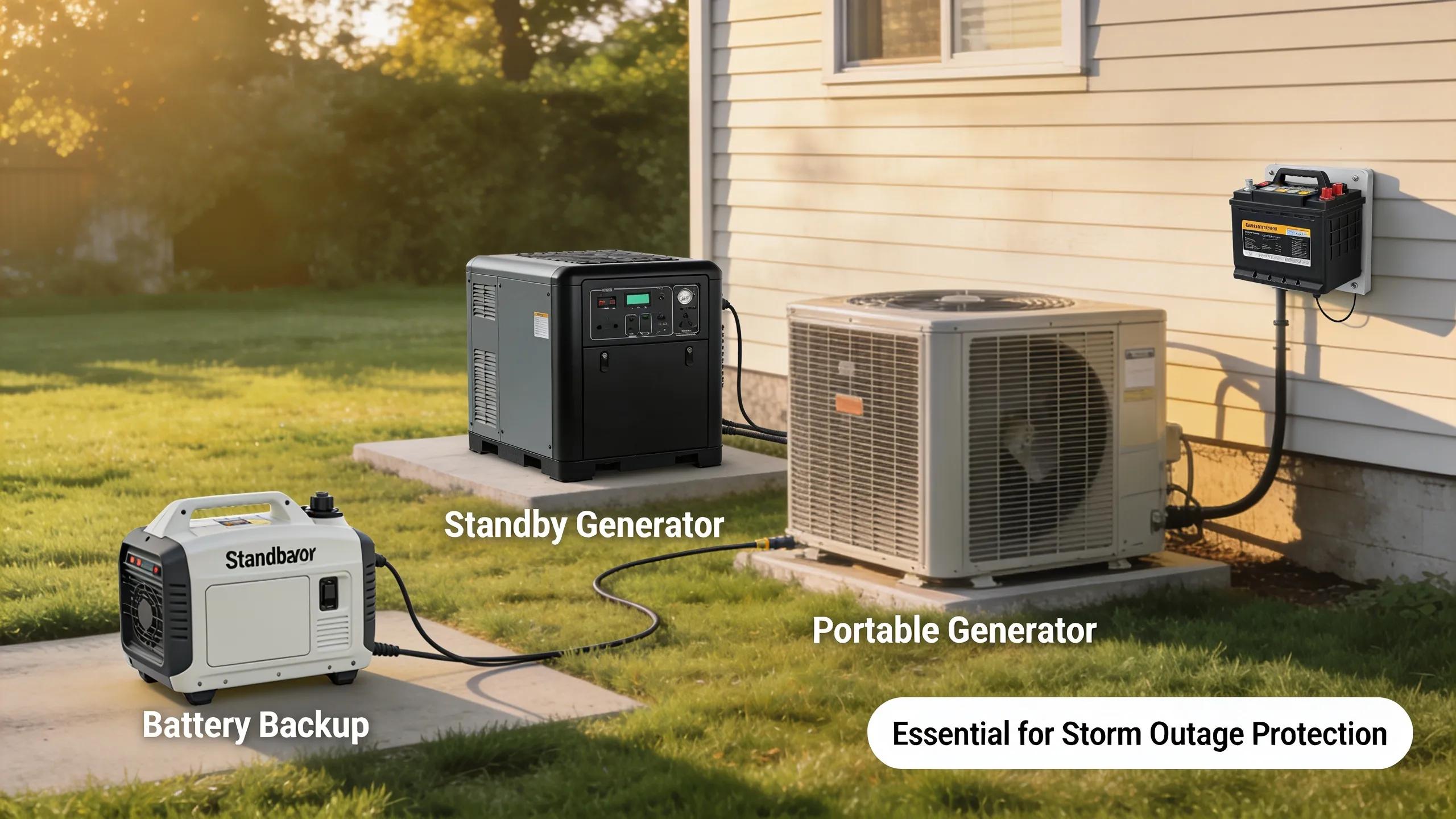
Accurate backup power solutions are vital for maintaining HVAC functionality during power outages caused by storms. These solutions can keep systems running, ensuring continued cooling and comfort.
- Standby Generators: These automatically activate during power loss, providing continuous power to your HVAC and other critical home systems.
- Portable Generators: These can be connected to your HVAC system but require manual setup, making them less convenient than standby options.
- Battery Backup Systems: These provide a temporary power source, sufficient for short outages, though their capacity might not sustain a full HVAC system for prolonged periods.
Having the right backup power solution in place can make a significant difference in your comfort level during a storm.
How Do HVAC Backup Generators Ensure Continuous Cooling?
HVAC backup generators are designed to ensure that air conditioning units remain operational when main power is disrupted. These generators work by automatically detecting a power outage and activating to supply electricity to the HVAC system. They are equipped to handle the energy demands of a full cooling system, ensuring that your home stays cool during a storm. Fuel considerations, such as the type of fuel used and storage levels, are essential to maintain functionality throughout the outage. Regular maintenance checks on these generators are also crucial to ensure reliable operation when needed.
What Factors Should You Consider When Choosing Backup Power?
When selecting an appropriate backup power solution for your HVAC system, consider several key factors:
- Assess Power Requirements: Determine the wattage needed to run your HVAC system efficiently to select a generator that meets these needs.
- Consider Size and Capacity: The physical size of the generator may impact your installation space, while its capacity will directly affect its ability to power your HVAC system.
- Evaluate Cost Versus Benefit: Review the long-term costs of operation, maintenance, and the potential financial impact of HVAC downtime during storm events.
Taking these factors into account ensures you choose a generator tailored to your unique needs.
How Do You Handle Post-Hurricane HVAC Repairs Effectively?
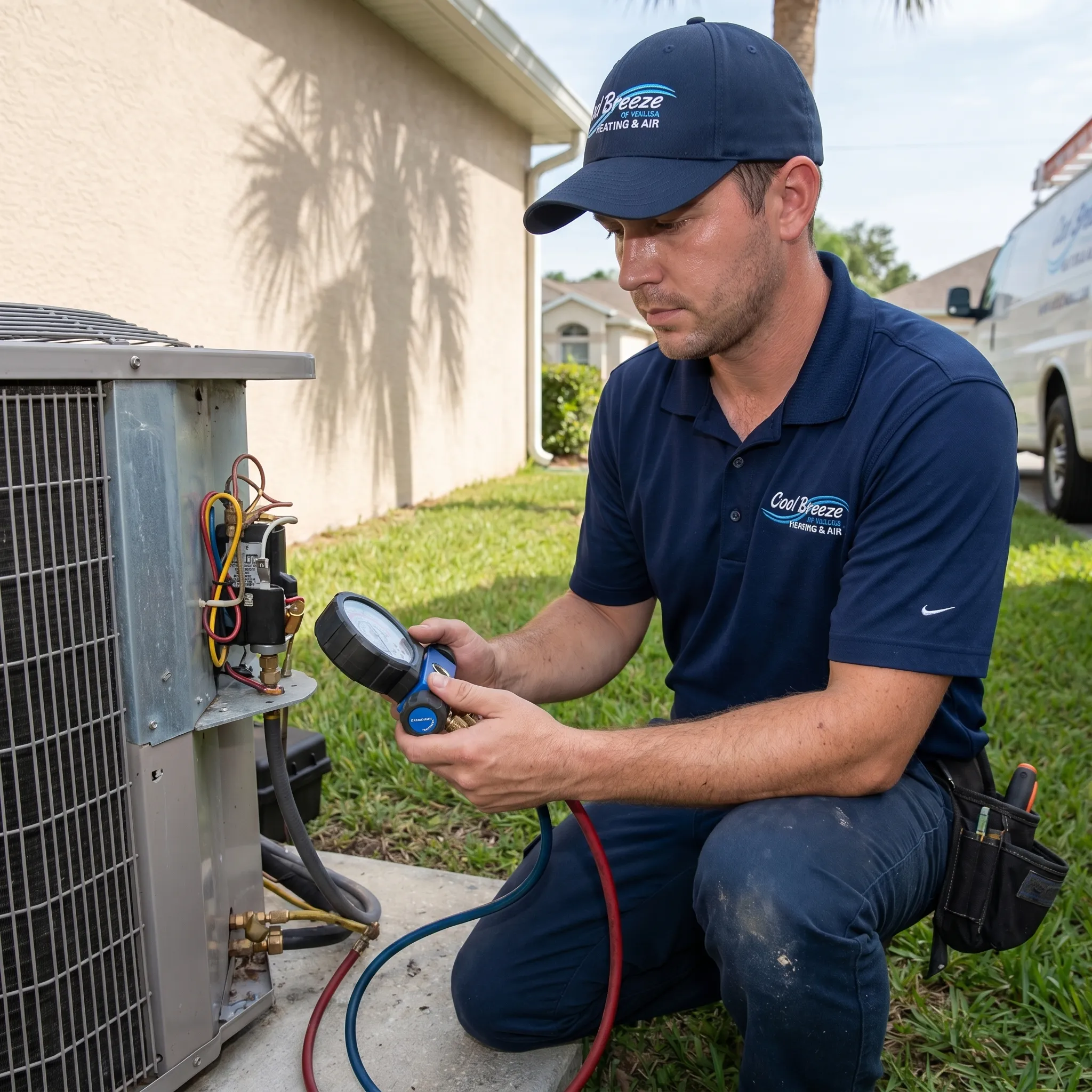
After a hurricane, assessing and managing potential HVAC damages promptly is crucial for restoring comfort in your home. Here are steps to follow for effective repairs.
- Conduct Visual Inspections for Damage: Check the HVAC system for any evident signs of physical damage, such as bent or broken components.
- Contact Professionals Quickly: Engage HVAC repair services immediately to ensure timely intervention and minimize further damage.
- Document Damage for Insurance: Keep a detailed record of all damages and any professional inspections for insurance claims and future reference.
These initial steps are essential for expediting the recovery process post-hurricane.
What Immediate Actions Should You Take After Storm Damage?
Taking prompt action after experiencing storm damage to your HVAC system is essential. Key steps include:
- Safety Checks for Gas Leaks: If you suspect any gas leaks, evacuate the area and alert professionals to address the potential hazard.
- Visual Assessment of HVAC Components: Inspect the outdoor and indoor units for debris, water, or visible damage.
- Shutting Down HVAC if Necessary: If the equipment shows signs of damage, switch it off to prevent further issues or hazards.
These actions can protect both your health and safety while facilitating a smoother recovery process.
When Should You Contact Professional HVAC Repair Services in Daytona Beach?
Recognizing the appropriate time to reach out for professional HVAC support can make a significant difference in repair outcomes. Keep an eye out for indicators, such as:
- Signs of Warm Air Blowing: If your system runs but blows warm air, there may be a refrigerant leak or malfunction.
- Visible Damage to HVAC Units: Any physical damage, such as dents or cracked casings, warrants professional evaluation.
- Strange Noises During Operation: Unusual sounds could indicate mechanical failure, requiring immediate attention.
Addressing these signs promptly ensures that problems are resolved before they escalate into more extensive damage.
Why Is Local Expertise Critical for Hurricane HVAC Readiness in Daytona Beach?
Local HVAC specialists possess the knowledge and experience necessary to address hurricane preparedness specific to the Daytona Beach area. Their insights into regional climate challenges give them the ability to tailor solutions effectively.
- Understanding Local Climate Challenges: Local contractors are well-versed in how hurricanes impact HVAC systems in the area, helping them create effective preparedness strategies.
- Benefits of Local Knowledge: Leveraging local expertise ensures that homeowners receive insights into the most common issues faced during storms.
- Cost-Saving on Repairs: Local contractors can often provide quicker service, potentially reducing costs associated with prolonged damage management.
Engaging local experts enhances your HVAC system’s resilience against storm-related challenges.
How Does Cool Breeze Heat and Air LLC Customize Solutions for Florida Storms?
Cool Breeze Heat and Air LLC stands out as specialized HVAC service providers catering explicitly to storm-related needs in Florida. They customize solutions by:
- Using Corrosion-Resistant Equipment: This is vital for enhancing durability against saltwater exposure common in coastal regions.
- Offering Regular Maintenance Tailored to Local Conditions: Their maintenance schedules account for the unique environmental factors affecting HVAC systems in Florida.
- Providing Emergency Service Availability: They ensure quick response times during and after storms to minimize downtime for homeowners.
This tailored approach not only enhances the reliability of HVAC systems but also builds peace of mind for homeowners during hurricane season.
What Are Common Regional Hurricane Impacts on HVAC Systems?
Hurricanes often lead to specific impacts on HVAC systems in Florida. Understanding these challenges helps in effective preparation and recovery. Key issues include:
- Physical Damage from Debris: Wind-borne debris can cause immediate physical damage to outdoor units, leading to costly repairs.
- Flooding Complications: Water intrusion can damage electrical systems and internal components within HVAC systems.
- Long-Term Corrosion Issues: Exposure to moisture and salt from coastal storms can lead to corrosion of critical components if not addressed swiftly.
Awareness of these impacts informs proactive steps to protect and maintain HVAC systems through storm seasons.