.png)
HVAC Tips for Pet Owners: Choosing Filters and Maintenance for Cleaner Air
By Lindsay Moore, Cool Breeze heat and Air
As a pet owner, maintaining a clean and healthy indoor environment is essential for both your furry friends and yourself. Pets can introduce allergens and dander into the home, which can affect air quality and potentially worsen respiratory issues. This article focuses on HVAC tips specifically tailored for pet owners, emphasizing the importance of choosing the right filters and consistent maintenance practices to achieve cleaner air. You will learn how to select appropriate filters, implement effective maintenance habits, and understand the impact of pet dander on indoor air quality. By the end, you'll have actionable strategies to improve your home's air quality, ensuring both you and your pets can breathe easier.
Selecting Appropriate Filters
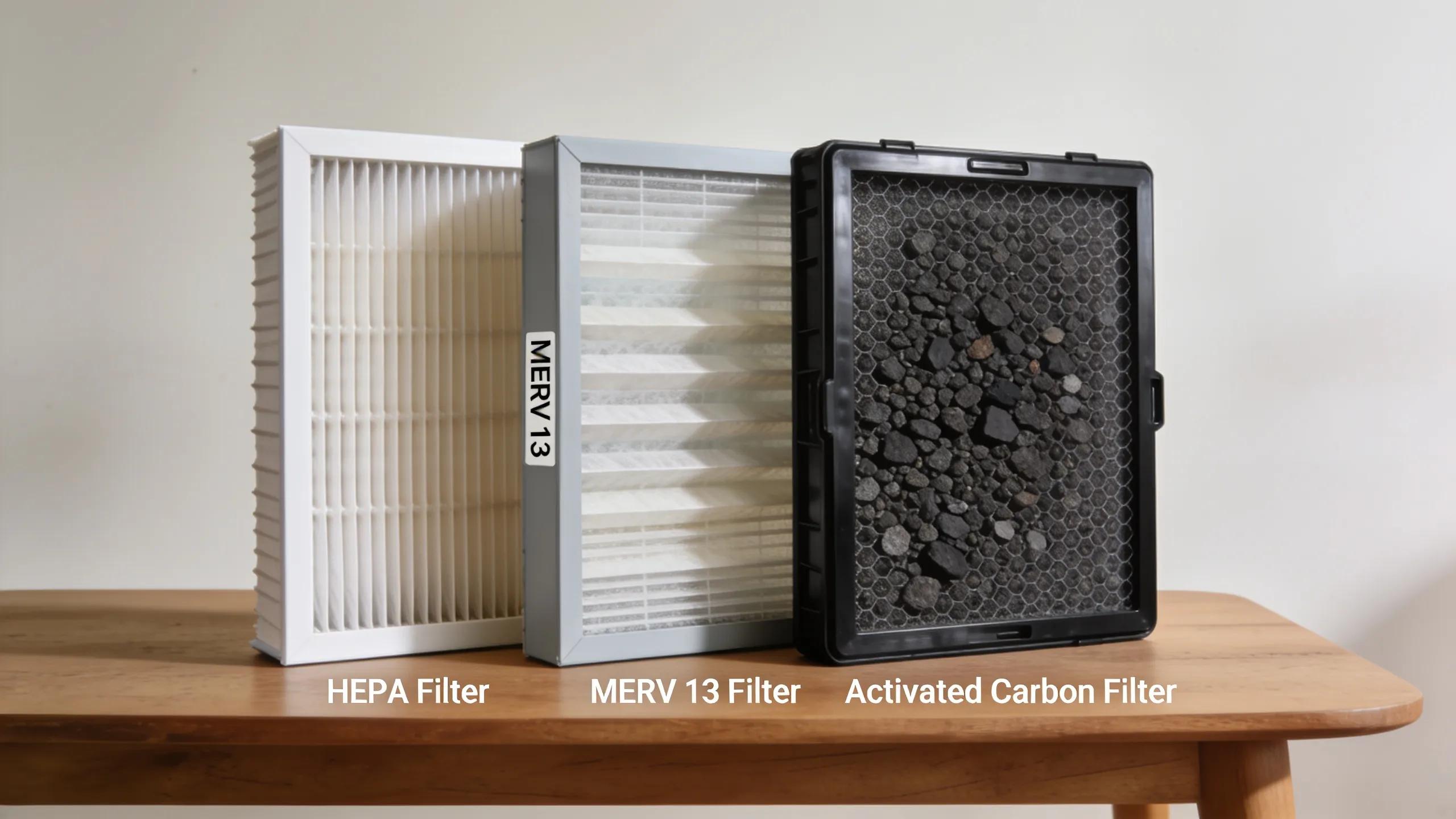
Choosing the right HVAC filters is vital for pet owners looking to enhance their indoor air quality. Filters play a crucial role in trapping pet dander, hair, and other allergens, preventing them from circulating in your home's air. Opting for high-efficiency filters can significantly reduce the build-up of allergens. Additionally, it's important to consider the MERV rating of the filters, as a higher rating indicates better filtration capabilities. Filters should be replaced every 1-3 months to maintain optimal performance.
| Filter Type | MERV Rating | Efficiency |
|---|---|---|
| HEPA Filters | 13-16 | Captures 99.97% of particles |
| MERV Rated Filters | 7-12 | Good for household dust and pet dander |
| Activated Carbon Filters | Varies | Reduces odors and chemical pollutants |
This table illustrates the effectiveness of different filter types suitable for homes with pets. Selecting the proper filter can greatly enhance air quality in indoor spaces shared with pets.
Implementing Maintenance Practices
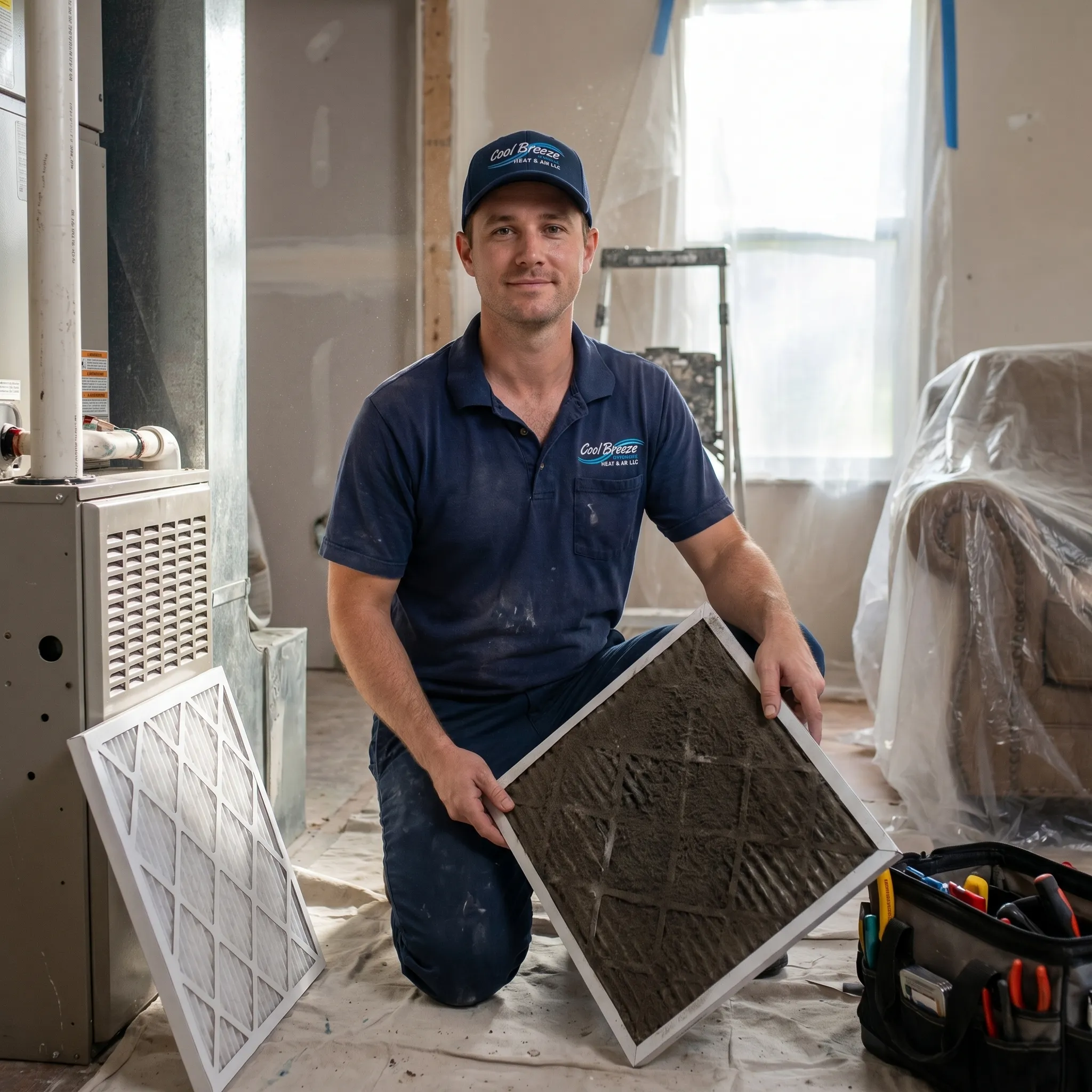
Regular maintenance practices are essential to ensure that your HVAC system operates efficiently, particularly in households with pets. Keeping filters clean and ensuring the entire system is functioning well helps mitigate the effects of pet dander and hair. Pet owners should prioritize regular cleaning, duct assessments, and professional inspections.
Regular Cleaning
To optimize your HVAC system, cleaning or replacing filters every 1-3 months is recommended. Additionally, regular checks for dust and debris around the system can prevent potential blockages. Look for signs that indicate cleaning is needed, such as reduced airflow or visible dirt accumulation.
Duct Cleaning
Duct cleaning should be scheduled every 3-5 years or as necessary. Over time, ducts can become clogged with pet hair and dander, which can cause the system to work harder and less efficiently. A clean duct system not only promotes better air quality but also extends the lifespan of your HVAC system.
Professional Inspections
Scheduling professional inspections annually can help catch any potential issues early on. Technicians typically check for signs of wear and tear in the system, ensuring that everything operates optimally and preventing costly repairs down the line.
Monitor System Performance
Keeping an eye on your HVAC system's performance is critical. Be aware of indicators such as unusual noises, fluctuating temperatures, or increased energy bills, as these may signal an underlying issue that requires attention.
Clear Outdoor Units
Finally, maintaining outdoor units by keeping them clear of debris and obstructions is important for efficiency. Regular checks can prevent dirt from impacting the system’s performance, ensuring that it operates smoothly.
Which HVAC Filters Are Best for Controlling Pet Dander and Allergens?
To effectively manage pet dander and allergens, specific types of HVAC filters outperform others. Understanding the differences in filter capabilities is critical for pet owners.
How Do HEPA and MERV Rated Filters Reduce Pet Hair and Allergens?
HEPA filters are designed to trap 99.97% of particles that are 0.3 microns or larger, including pet dander and hair. MERV rated filters, while not as efficient as HEPA filters, still provide substantial filtration for common household allergens. Combining these filters can enhance overall air quality in homes with pets.
What Are the Benefits of Pet Friendly Air Filters for Homeowners?
Pet-friendly air filters are designed to handle the unique challenges posed by pets. They help reduce allergens while also maintaining airflow, which is crucial for HVAC efficiency. Homeowners benefit from improved air quality, reduced odors, and a cleaner living environment for both pets and people.
How Can You Maintain Your HVAC System Effectively with Pets in the Home?
Maintaining your HVAC system when living with pets requires specific strategies tailored to manage pet-related challenges.
What Are Essential HVAC Maintenance Tips to Manage Pet Hair and Dander?
- Regularly Replace Filters: Change filters every 1-3 months.
- Clean Vents: Ensure that vents are free from pet hair and dust.
- Schedule Duct Cleaning: Have ducts cleaned every 3-5 years.
Adopting these practices will go a long way in maintaining air quality and system efficiency.
How Often Should You Replace or Clean HVAC Filters When You Have Pets?
Pet owners should aim to replace or clean HVAC filters at least once a month, or even more frequently if they have multiple pets. This helps prevent the build-up of dander and hair that can impede airflow and reduce system efficiency.
How Does Removing Pet Dander from Air Improve Indoor Air Quality?
Removing pet dander from the air is crucial for improving indoor air quality. This not only reduces allergy symptoms but also ensures a healthier living environment for everyone in the home.
What HVAC Components Are Most Affected by Pet Allergens?
Key components impacted by pet allergens include air filters, air handlers, and ductwork. Regularly replacing filters and checking these components for build-up is essential in maintaining overall system performance.
How Can You Optimize Air Circulation to Reduce Pet Odors and Allergens?
- Maintain Ventilation: Open windows regularly to allow fresh air exchange.
- Use Air Purifiers: Invest in air purifiers that can capture additional pet allergens.
- Keep Humidity Levels in Check: Proper humidity helps to minimize the spread of allergens.
When Should You Contact Cool Breeze Heat and Air LLC for Pet HVAC Services?
Identifying when to contact a professional HVAC service can keep your system running efficiently. Signs that you should reach out to Cool Breeze Heat and Air LLC include:
- Poor Airflow: If airflow drops significantly, it may indicate a blockage or wear in the system.
- Strange Noises: Unusual noises emanating from the HVAC unit can signal mechanical problems.
- Odors: Any musty or strange smells coming from the HVAC system might suggest duct cleaning or maintenance needs.
By staying vigilant and proactive, pet owners can enjoy cleaner air and a more efficient HVAC system that meets their needs.