.png)
HVAC Advice for New Parents: Ensuring Optimal Nursery Temperature and Indoor Air Quality
By Lindsay Moore, Cool Breeze heat and Air
Creating a safe and comfortable nursery for your newborn involves careful attention to temperature and air quality. As a new parent, understanding the optimal conditions for your baby's health can be overwhelming, but proper HVAC management can significantly ease these concerns. This comprehensive guide discusses essential HVAC tips that will aid in ensuring the ideal nursery environment, focusing on maintaining optimal temperature and humidity levels. Additionally, you'll learn how regular maintenance of HVAC systems can protect your newborn's safety. Key sections of this article include recommended temperature ranges, humidity control solutions, and the role of HVAC systems in keeping your child's environment healthy.
Recommended Temperature Ranges
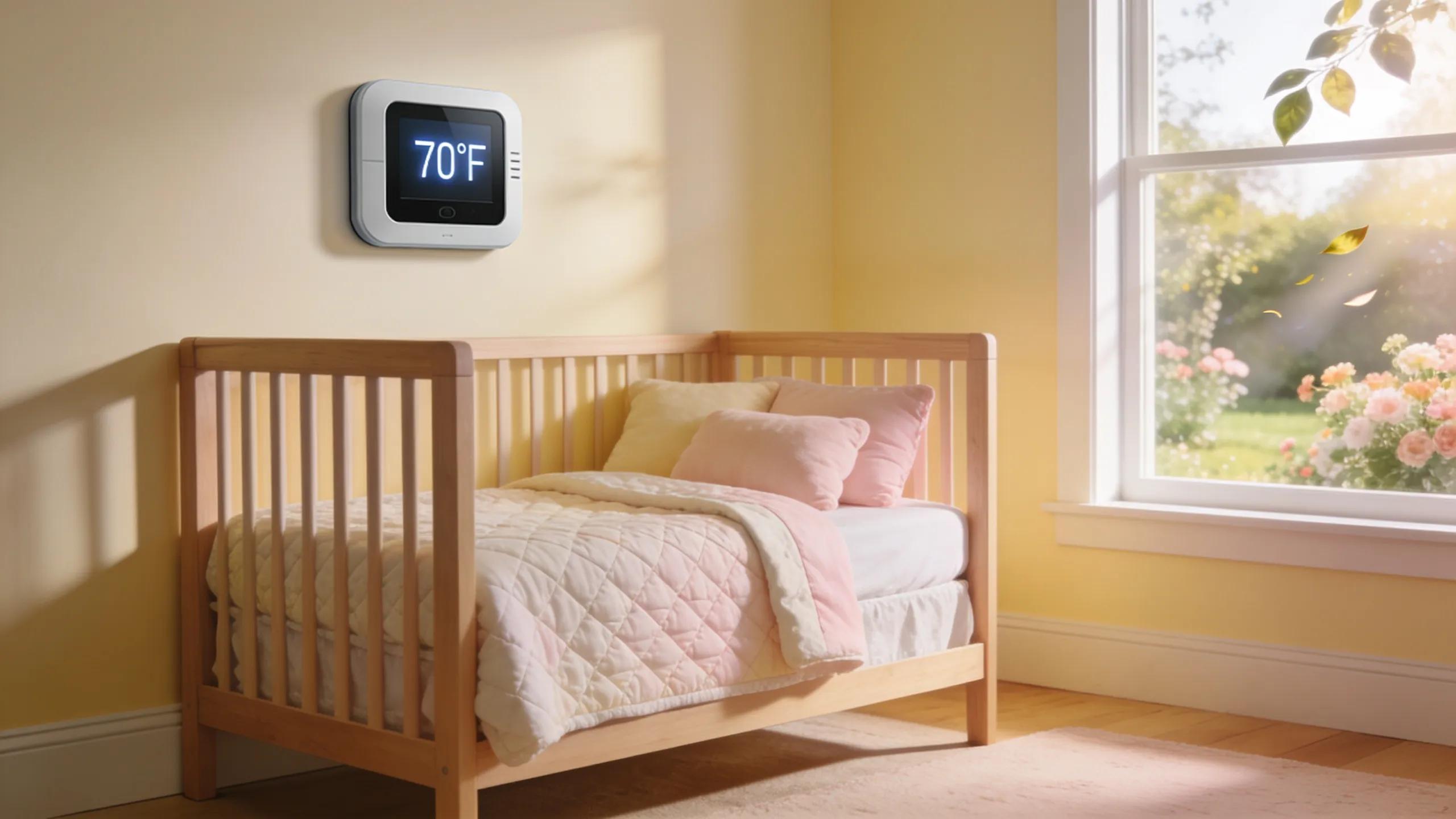
Maintaining the right temperature in your baby's nursery is critical for their comfort and health. Experts recommend that the optimal temperature range for newborns is between 68°F to 72°F (20°C to 22°C). This temperature range helps prevent overheating, which can lead to health risks such as Sudden Infant Death Syndrome (SIDS) and promotes overall comfort for your infant. Proper temperature regulation ensures that your child sleeps soundly, aiding in their growth and development.
Why maintaining 68-72°F is ideal for your baby’s comfort and health
Keeping the nursery temperature between 68°F and 72°F is essential for ensuring your baby's wellbeing. An optimal room temperature supports thermal comfort, allowing your newborn to sleep better and more soundly. Infants are more susceptible to temperature fluctuations, which can contribute to increased fussiness or sleep disruptions. A consistent temperature within this range not only promotes comfort but also plays a critical role in reducing the risk of overheating and its associated health issues, thereby fostering a safer sleeping environment for your baby.
Humidity Control Solutions
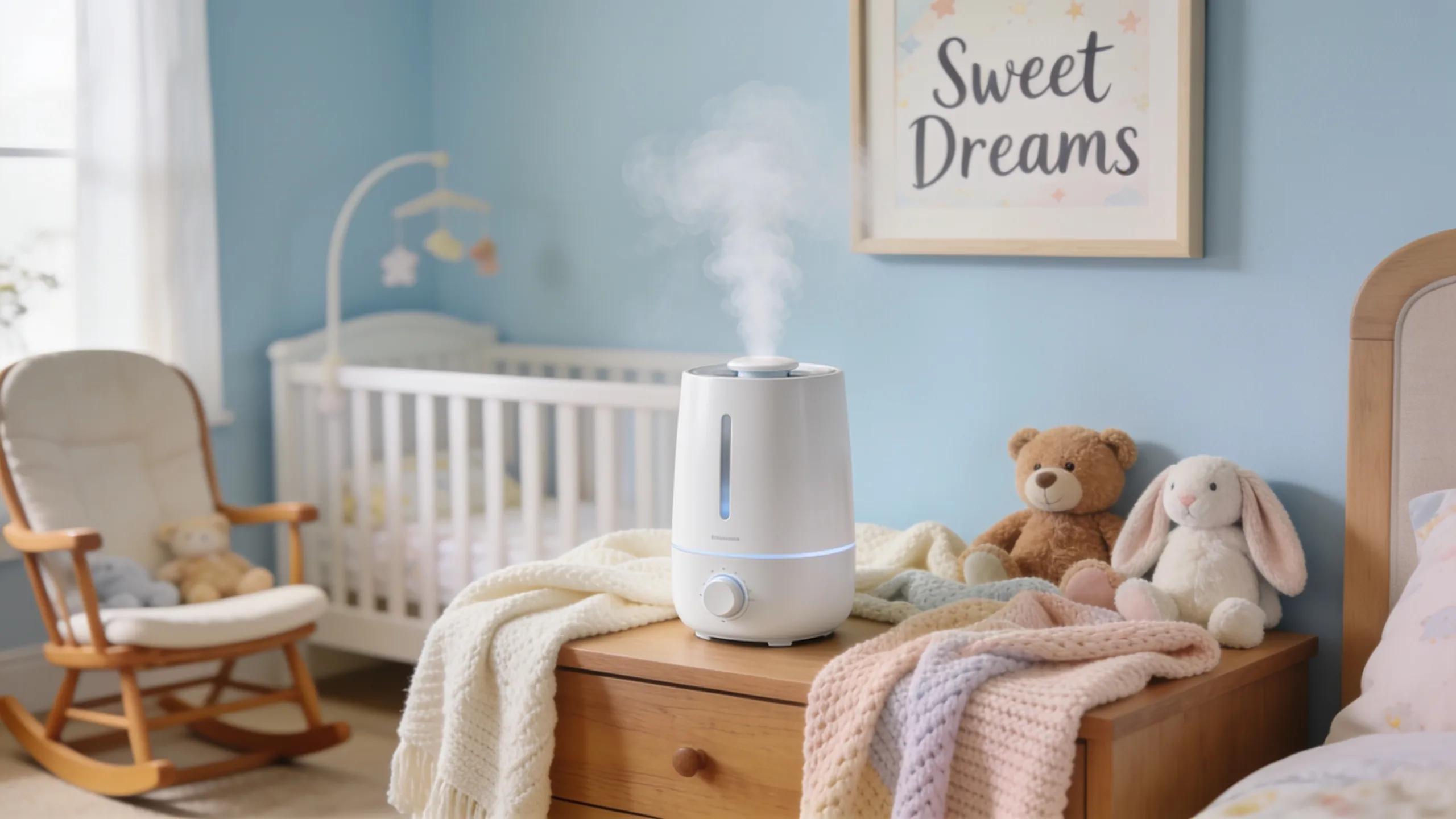
Effective humidity control in your baby's nursery contributes significantly to their health and comfort. The ideal indoor humidity levels for newborns should be maintained between 40% to 60%. Proper humidity levels help prevent respiratory issues and reduce the likelihood of mold and allergens developing in the space. Parents can utilize dehumidifiers or humidifiers as needed, depending on the seasonal climate conditions, to maintain these levels.
Benefits of keeping humidity between 40-60% in your newborn’s room
Keeping humidity levels at 40-60% creates a more comfortable environment, which can facilitate easier breathing for your infant. Proper humidity control can alleviate dryness in the air, reducing the risk of respiratory discomfort and skin irritations. Furthermore, balanced humidity levels prevent the proliferation of dust mites and mold, both of which can trigger allergies and asthma in susceptible children. Utilizing HVAC systems that integrate humidification features ultimately provides peace of mind and enhances the overall air quality within the nursery.
In addition to managing humidity manually, Cool Breeze Heat and Air LLC offers HVAC solutions tailored for maintaining ideal indoor environments. This can include advanced systems equipped with humidification and dehumidification functions that ensure consistent air quality tailored to your needs.
Role of HVAC Systems
HVAC systems play a vital role in maintaining the ideal nursery environment by regulating both temperature and humidity levels. These systems include components like air handlers and thermostats that work together to ensure the nursery maintains a consistent climate. Furthermore, regular maintenance of HVAC systems is crucial as it guarantees that these systems operate efficiently, supporting optimal indoor air quality.
Additional Tips
To further enhance the air quality in your baby’s nursery, consider implementing the following suggestions:
- Utilize Smart Thermostats: Smart thermostats can help manage temperature fluctuations efficiently.
- Regularly Change Filters: Frequent filter replacement keeps air free from dust and allergens.
- Ensure Proper Ventilation: Adequate airflow should be maintained to prevent stale air from accumulating in the nursery.
These strategies not only improve overall comfort but also contribute to a healthier indoor environment.
How do regular AC maintenance and filter changes support baby safety?
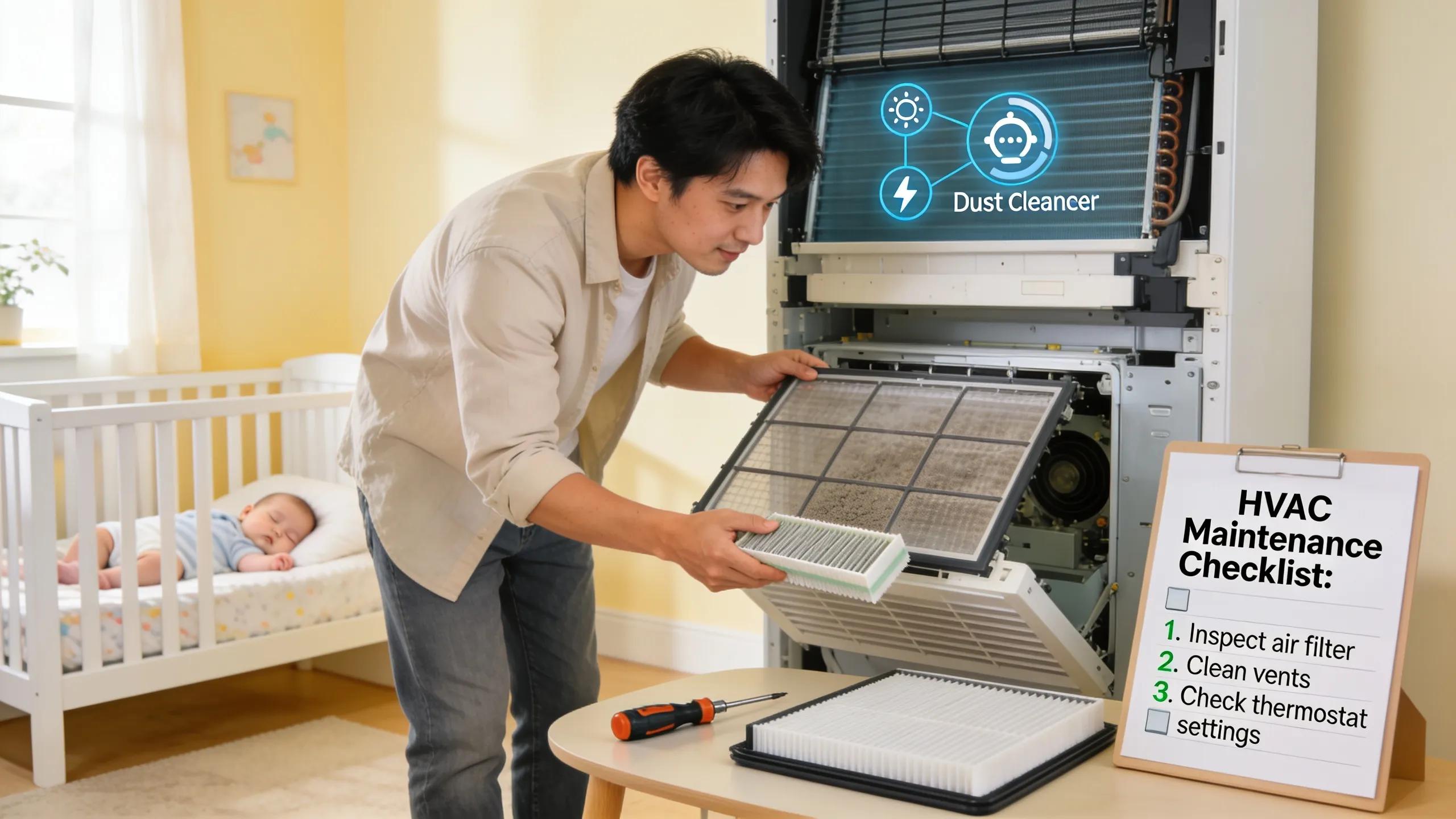
Maintaining your HVAC systems through regular inspections and filter changes directly influences the air quality in your baby's nursery. Establishing a routine maintenance schedule ensures that potential problems are identified and addressed promptly, ensuring optimal air quality.
Recommended Frequency of Maintenance
For best results, it is advised to schedule HVAC maintenance at least once a year. Additionally, filter changes should occur every 1-3 months, depending on usage and air quality factors. Regular filter changes keep airflow unrestricted and help eliminate allergens, ensuring that the air circulating in your nursery remains clean and safe.
Relevant Safety Standards
Following relevant safety standards, such as compliance with (American Society of Heating, Refrigerating and Air-Conditioning Engineers) guidelines, is vital for maintaining the health of your home environment. These standards provide protocols for indoor air quality that help create safe living spaces for infants.
Why timely HVAC maintenance reduces health risks for infants
Timely HVAC maintenance plays a crucial role in minimizing health risks for infants by ensuring that systems do not circulate harmful pollutants and allergens. Regular upkeep not only maintains optimum conditions but also helps prevent major system failures which could lead to temperature anomalies.
Maintaining your HVAC system contributes significantly to the overall health of your newborn and enhances the indoor comfort of your home. Developing a routine that includes regular assessments and appropriate measures to control temperature and humidity will create a perfect environment for your child.