
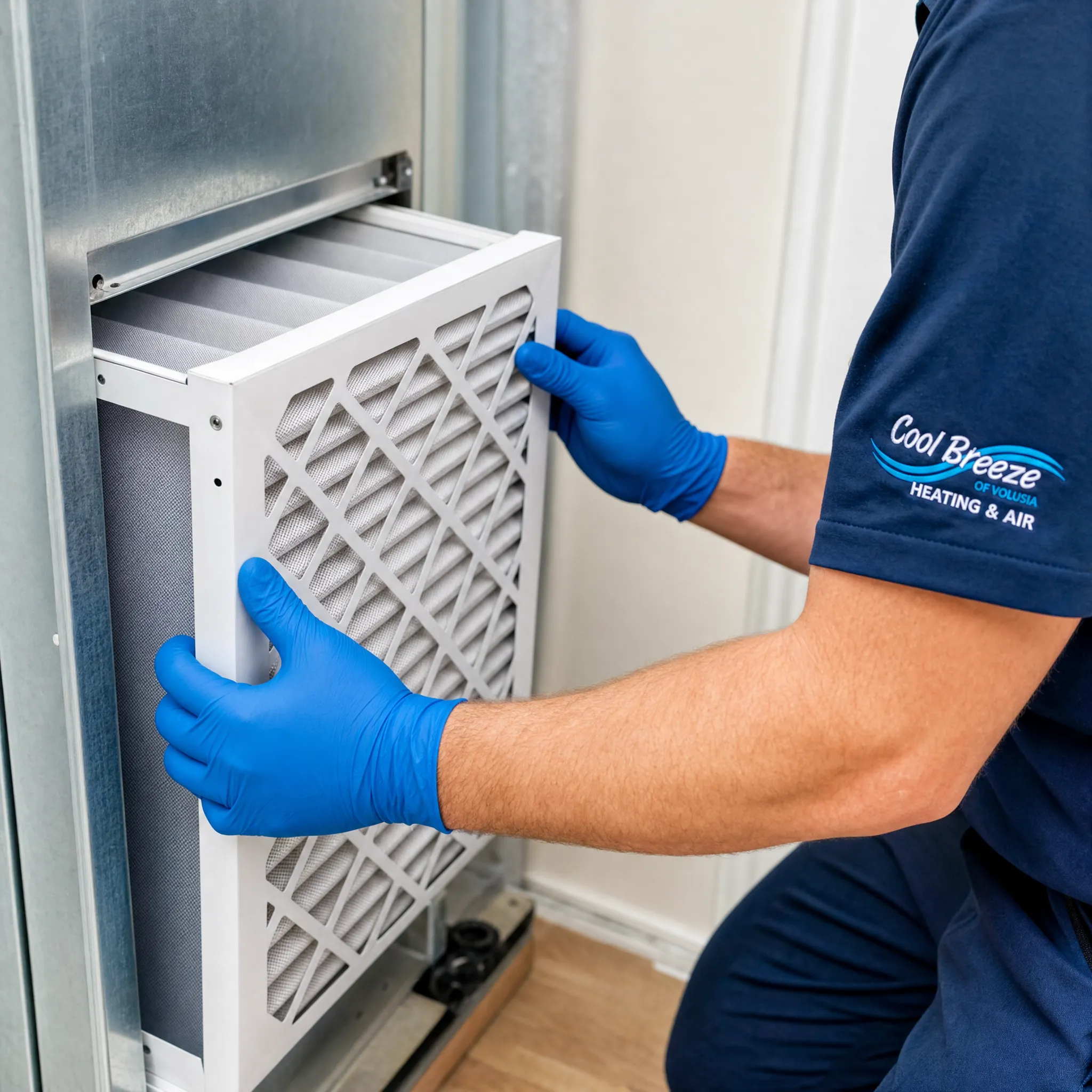
Newborn Safety: Essential HVAC Tips for New Parents
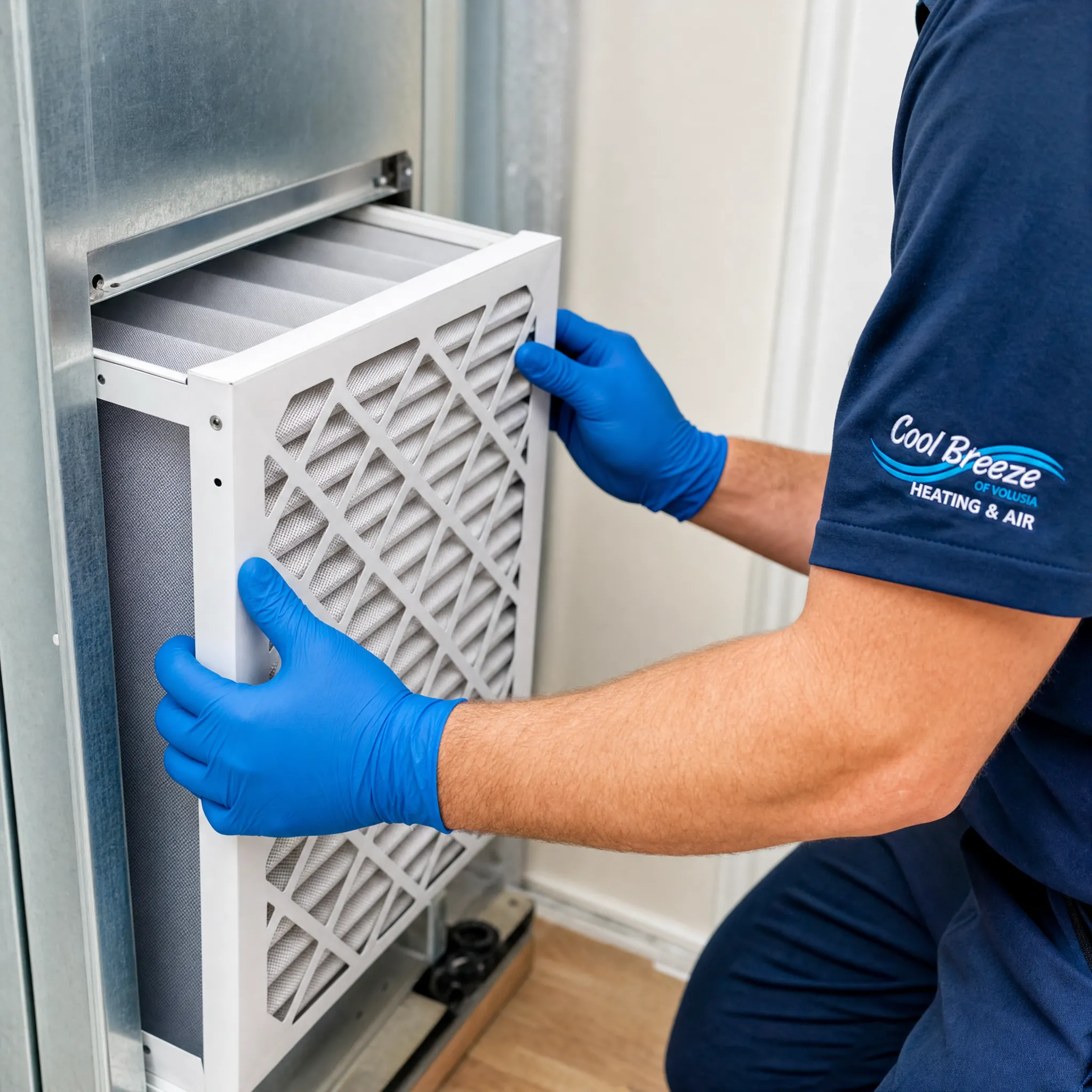
When it comes to newborn safety, new parents preparing a nursery benefit from replacing HVAC filters regularly. A fresh filter—like a Filtrete Smart Air Filter—reduces dust and allergens affecting infant lungs. Consistent airflow, stable humidity, and scheduled maintenance protect newborns from temperature swings. Cool Breeze
Key Takeaways
- Replace HVAC filters regularly to maintain clean air quality for your newborn and family.
- Proper air conditioning setup creates a safe, comfortable nursery environment for babies year-round.
- Cool Breeze Heat and Air serves Port Orange families with expert HVAC guidance for new parents.
- Indoor air quality directly impacts your baby's health and your family's overall wellness during first year.
Why Does Nursery Temperature Matter for Newborn Safety?
Stable, consistent warmth protects infants far more than most parents realize. A steady nursery climate has been shown to support a newborn's overall well-being, helping regulate systems that are still developing. Skipping this step carries real consequences: temperature swings force a baby's body to work harder just to stay balanced.
Temperature newborns experience directly affects how their bodies conserve energy. Consistent warmth helps infants build vital physical reserves, a factor that matters even more for babies who are premature or already dealing with illness. Without that stability, energy that should go toward growth and recovery gets diverted elsewhere.
Florida's climate makes this harder than parents might expect. Heat and humidity place extra demand on home cooling systems, and a struggling system means an unstable nursery. Reliable, climate-aware HVAC solutions matter for newborn safety, especially in homes where equipment wasn't built with infants in mind.
How does temperature affect newborn health?
Newborns lack the ability to regulate body temperature as efficiently as older children or adults. A too-warm or too-cool nursery forces their bodies to expend energy on regulation instead of growth.
What does a nursery need for reliable temperature control?
A nursery needs an HVAC system tuned to the home's specific conditions, not a generic setup.
- Consistent, drift-free temperature throughout the day and night
- Humidity control suited to Florida's climate
- Airflow that avoids hot or cold spots near the crib
Customized solutions built around these factors support both comfort and IAQ babies need to thrive.

How Can You Improve IAQ for Your Baby?
Better iaq babies breathe starts with the HVAC filter, well before delivery day. Preparing the nursery deserves a spot on every checklist, right alongside crib assembly and car-seat installation. Filter changes rank among the most overlooked tasks once a newborn arrives home. Sleepless nights and feeding schedules push routine maintenance to the bottom of the list. Swapping the filter before the baby's arrival, rather than after, closes that gap.
Not all filters offer equal protection. Standard filters often miss the smallest airborne particles, the very ones that can settle into a baby's breathing environment. Upgrading to a higher MERV-rated filter — a measure of how finely a filter screens particles — traps microscopic irritants before they ever circulate through the nursery.
Does location affect nursery air quality?
Yes. Homes near coastal areas face humidity levels that create distinct air-quality and HVAC challenges. Managing that moisture requires filtration knowledge tailored to the local climate, not a one-size-fits-all approach.
What's the simplest first step for new parents?
Start with the filter. A few practical priorities:
- Replace the HVAC filter before the baby arrives home.
- Choose a higher MERV rating for finer particle capture.
- Ask about humidity-specific filtration for coastal properties.
These steps protect newborn safety and support steady temperature newborns need for restful sleep.

Is Your Cooling System Reliable Enough for Baby?
Reliability depends on local expertise, fast response, and a system built for Florida's climate demands. Cool Breeze Heat & Air operates out of Port Orange, giving Volusia County parents a local team that already understands the area's cooling challenges. That local presence matters most during a heat wave, when a struggling air conditioner threatens temperature newborns need to stay safe and rested.
A team of 15 employees means help arrives quickly when a family calls with an urgent cooling problem. Newborns can't regulate body temperature the way adults do. newborn safety depends on a system that responds before conditions turn dangerous. Cool Breeze Air Systems delivers prompt, professional service across Port Orange, helping families avoid the kind of prolonged AC outages that put a baby at real risk.
What Makes a Nursery Cooling System Trustworthy?
Trustworthy cooling comes from technicians who understand local climate patterns, not generic fixes. Customized, locally informed HVAC solutions keep nursery temperatures stable even through Florida's harshest heat stretches, supporting steady iaq babies need for restful sleep.
What Do Parents Without Working AC Do?
Parents facing broken or absent air conditioning often turn to online parenting communities for urgent advice on keeping an infant cool. Common questions include:
- Portable fan placement for safe airflow
- Cooling towels and lightweight sleepwear
- Temporary relocation to a cooler room
None replace a functioning, professionally maintained system.
FAQ
How does temperature affect a newborn's health?
A nursery needs an HVAC system tuned to the home's specific conditions, including consistent temperature, humidity control suited to Florida's climate, and airflow that avoids hot or cold spots near the crib.
Does location affect nursery air quality?
Yes, homes near coastal areas face humidity levels that create distinct air-quality and HVAC challenges. Managing that moisture requires filtration knowledge tailored to the local climate.
Conclusion
In closing, maintaining a comfortable and healthy home environment for your growing family starts with understanding your HVAC system's role in protecting your loved ones. By prioritizing regular maintenance, addressing air quality concerns, and staying proactive about seasonal adjustments, you create a foundation of comfort and safety that supports your family's wellbeing. Your home's climate control deserves the same attention you give to every other aspect of your children's health—because a well-functioning system means better sleep, fewer respiratory concerns, and peace of mind for every parent.