
.png)
Ducted Systems vs Ductless Mini-Splits: Choosing the Best HVAC Solution for Your Daytona Beach Home or Business
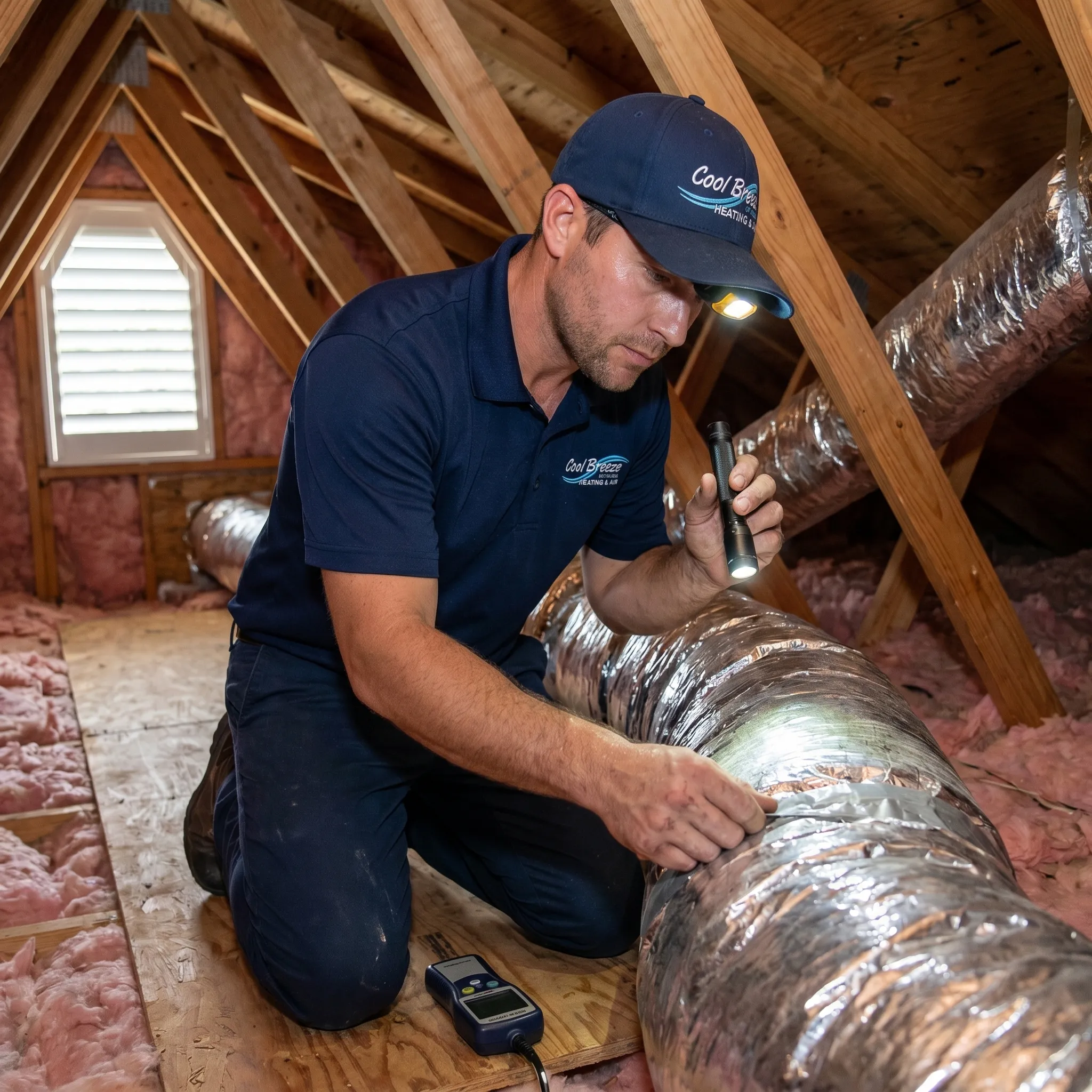
By Lindsay Moore, Cool Breeze heat and Air
When it comes to heating and cooling systems, homeowners and business owners in Daytona Beach face a crucial choice: ducted systems or ductless mini-splits. Understanding the differences between these HVAC solutions is essential for making an informed decision tailored to specific needs and circumstances. Ducted systems involve centralized air distribution using a network of ducts, while ductless mini-splits provide individualized climate control through outdoor units connected to multiple indoor units. This article highlights key advantages and potential drawbacks of each system, enabling readers to weigh energy efficiency, installation costs, and long-term satisfaction as they navigate their options. The discussion encompasses several critical factors, including installation complexities, maintenance needs, and how each system caters to varying spatial requirements.
Comparison of Ducted Systems and Ductless Mini-Splits
Ducted systems and ductless mini-splits each offer unique benefits and drawbacks, making them suitable for different applications. Ducted systems, with their centralized approach, can evenly distribute air across larger areas, making them ideal for larger homes or office spaces. However, they require extensive installation, which may include alterations to existing structures. On the other hand, ductless mini-splits are easier to install with minimal disruption, providing flexibility in cooling and heating specific zones within a building.
Key Efficiency Comparisons

Ducted systems often have a higher initial cost due to extensive ductwork installation, but they can be more energy-efficient in larger spaces when properly insulated. In contrast, ductless mini-splits excel in energy efficiency, particularly in homes that require different temperature settings in various rooms.
Installation Complexity Differences

Installation for ducted systems can be labor-intensive and time-consuming, which may result in higher upfront costs. Ductless systems, however, can often be installed in a fraction of the time, generally leading to lower labor costs.
Energy Loss Considerations
One notable drawback of ducted systems is energy loss through duct leaks, which can diminish overall efficiency. Ductless mini-splits, with their direct approach, minimize energy loss, making them a more appealing option for energy-conscious consumers.
Ducted Systems:
Ducted HVAC systems rely on a network of ducts to distribute heated or cooled air and are often favored for their ability to regulate the temperature throughout larger areas effectively. One of the main advantages of ducted systems is their even airflow distribution, which leads to consistent temperatures across diverse rooms. This makes them perfect for accommodating multiple rooms in a building without noticeable temperature fluctuations.
Advantages of Ducted Systems
- Comfort Consistency: Ducted systems maintain evenly distributed temperatures, reducing hot and cold spots within a building.
- Integration Capabilities: They can easily be integrated with existing heating systems, such as furnaces and boilers.
- Design Versatility: Ducted systems can be designed to fit aesthetically within the architecture of various buildings, ensuring they do not interfere with interior designs.
Disadvantages of Ducted Systems
While ducted systems offer numerous benefits, they also come with some disadvantages. The cost of installation can be significantly higher, especially in homes lacking existing ductwork. Additionally, ducted systems often require regular maintenance to ensure they operate efficiently, as blocked ducts can impede airflow and reduce system effectiveness.
Ductless Mini-Splits:
Ductless mini-splits, known for their flexibility and ease of installation, are units that consist of an outdoor compressor and one or more indoor units. These systems allow for precise temperature control in individual rooms, making them an appealing option for residential and commercial properties alike.
Advantages of Mini-Split Systems
- Zone Control: Each indoor unit can be controlled separately, allowing for tailored climate control depending on individual needs.
- Energy Efficiency: Mini-splits use significantly less energy due to not relying on ductwork.
- Reduced Noise Levels: The outside units operate quietly, while indoor components are designed to minimize operational noise.
Disadvantages of Mini-Split Systems
Though ductless mini-splits are energy-efficient, they can be less effective in larger spaces unless multiple units are installed to accommodate every room. Furthermore, the aesthetic impact of having several indoor units may not appeal to all homeowners.
Factors to Consider When Choosing:
Choosing between ducted systems and ductless mini-splits involves several critical considerations. Both systems possess unique advantages that cater to different living environments and climate control preferences.
- Existing Infrastructure: If a home already has ductwork in place, it may be more cost-effective to opt for a ducted system. Conversely, homes lacking ducts could benefit from the ease of installation with ductless systems.
- Energy Efficiency Comparisons: While ductless systems are often viewed as the more energy-efficient choice, the specifics of each home, such as insulation and layout, play a significant role in overall effectiveness.
- Long-Term Cost Implications: Initial installation costs vary between both systems, but understanding potential energy savings over time can be crucial for budget-conscious decisions.
Integrating HVAC services is essential for navigating this selection process effectively. For Daytona Beach residents, Cool Breeze Heat and Air LLC provides expert insights into establishing the best HVAC solutions tailored to individual needs and existing infrastructure. Specializing in installation, maintenance, and repair, the team ensures informed choices that align with local climate considerations.
Potential Cost Implications:
When comparing ducted and ductless systems, installation costs vary significantly. Ducted systems often require extensive labor due to duct installation or modification, increasing upfront costs. In contrast, ductless systems are typically less expensive to install due to their simplified setup.
- Installation Cost Differences: Ducted options are generally more expensive, typically ranging from $5,000 to $15,000, depending on the project's scope. Meanwhile, ductless mini-splits average between $3,000 to $8,000, notably impacting initial investments.
- Maintenance Cost Evaluations: Regular maintenance for ducted systems can be more expensive due to cleaning and inspecting ductwork, while mini-splits often require less extensive checks, keeping post-installation maintenance costs lower.
- Energy Savings Over Time: While ducted systems may have a higher installation cost, they can offer long-term savings in larger homes. On the other hand, ductless systems provide quick returns on energy efficiency, particularly valuable in regions where energy costs fluctuate.
How Do Mini Splits Improve Energy Efficiency?
Ductless mini-split systems enhance energy efficiency in multiple ways. Primarily, they eliminate the energy loss associated with ductwork. Furthermore, these systems allow for zoned heating and cooling, ensuring that only occupied spaces are conditioned. This targeted approach minimizes energy consumption and promotes sustainability.
- No Ductwork Requirement: Without the need for ducts, mini-splits efficiently deliver climate control directly into living spaces.
- Energy Delivery Efficiency: Mini-splits operate at a lower energy input with higher output, resulting in superior performance.
- Zone Control Efficiency: Each unit can be adjusted independently, leading to better energy management across different rooms.
What Are the Main Advantages of Ducted HVAC Systems?
Ducted HVAC systems offer distinctive benefits that may align with specific building requirements. Firstly, they provide uniform temperature distribution, which is crucial for comfort in multi-room environments. Secondly, they facilitate easy integration with pre-existing heating systems and central air conditioning.
- Airflow Distribution Benefits: Ducted systems are designed to distribute air evenly, creating a comfortable atmosphere throughout the entire property.
- Comfort Consistency: Maintaining a stable and comfortable temperature across the living space prevents hot or cold spots, which can detract from the overall comfort level.
- Integration Capabilities: Ducted systems often work well with existing heating infrastructure, allowing homeowners to combine various technologies without disrupting overall functionality.
How Do Ducted Systems Provide Consistent Home Comfort?
Effective temperature management is paramount for comfort in living and working spaces. Ducted systems achieve this by using a series of ducts to circulate air evenly, which ensures every room receives the same treated air.
- Comfort through Even Temperature Control: Ducted systems create a balanced environment, adhering to comfortable temperature ranges throughout all rooms.
- Heating Efficiency Across Homes: These systems are particularly effective in larger properties, where multiple rooms require simultaneous heating or cooling.
- Integration Ease with Existing Systems: Homeowners often find that integrating with existing systems not only saves on initial costs but also simplifies future upgrades or repairs.
What Are Typical Installation and Maintenance Considerations?
When discussing installation, the differences between ducted and ductless systems become apparent. A ducted system installation typically requires professional expertise due to the complexity of ductwork design and layout.
- Installation Complexity Comparisons: A straightforward installation for ductless systems significantly reduces downtime and potential costs associated with renovations.
- Maintenance Routines for Each System Type: Regular maintenance for both systems is vital for long-term functionality, including filter changes and inspections to identify potential issues.
- Cost Evaluations of Maintenance: While both systems require upkeep, ducted systems may need more frequent professional checks due to their interconnected components.
How Do Ducted and Ductless Systems Compare in Cost and Energy Efficiency?
A well-balanced comparison of ducted and ductless systems highlights important cost considerations, particularly concerning long-term energy savings. This section will elaborate on how each system performs financially and how they impact overall energy consumption.
- Long-Term Savings Analysis: Ducted systems may require a significantly higher initial investment, which could pay off in larger homes over time.
- Cost Breakdown by System Type: An extensive breakdown showcases installation, maintenance, and energy costs, helping consumers make informed decisions.
- Regional Climate Considerations on Efficiency: Understanding local climate needs and their relation to system performance impacts energy effectiveness.
How Can Daytona Beach Residents Choose the Best HVAC Solution?
Selecting the right HVAC system involves evaluating several key factors specific to Daytona Beach’s climate and individual needs. Local considerations, such as humidity and seasonal temperature fluctuations, play a crucial role in determining which system will be the most effective.
- Consider Local Climate Factors: Understanding the effects of humidity unique to Daytona Beach can help inform decisions since some systems handle moisture better than others.
- Evaluate Existing Home Systems: Analyzing current infrastructure can lead homeowners to discover cost-effective options that utilize or enhance existing components.
- Balance Cost Against Efficiency Needs: Ultimately, homeowners must balance initial costs with long-term operational efficiency to find the right fit for their comfort needs.
What Factors Should Influence Your HVAC System Decision?
Choosing the ideal HVAC system requires careful consideration of both immediate and long-term factors. These include energy efficiency ratings, upfront installation costs, and local climate impacts, among others.
- Cost-Efficiency Evaluations: Analyzing both installation and operational costs can guide homeowners toward the best financial decision.
- Energy Ratings and Long-Term Performance: Understanding energy efficiency ratings provides a solid basis for future savings on utility bills.
- Installation and Service Considerations: Evaluate the availability of local HVAC services and their experiences, as a reliable installation and ongoing service are critical for long-term satisfaction.
How Does Cool Breeze Heat and Air LLC Support Local HVAC Choices?
Cool Breeze Heat and Air LLC operates as a lead generation and information hub for HVAC services in Daytona Beach and the surrounding Volusia County region. Their expertise encompasses a range of HVAC solutions including installation, repair, and maintenance, catering to both ducted and ductless systems.
- Range of HVAC Services: With a focus on local needs, Cool Breeze Heat and Air LLC offers diverse HVAC services that ensure optimal air quality and comfort for residents.
- Local Expertise and Quick Service: Their deep understanding of the regional climate allows for tailored solutions designed to meet unique customer requirements.
- Customer Satisfaction Commitment: Upholding a strong customer service ethos ensures that clients receive thorough consultations and dedicated follow-up support.