.png)
HOA and Condo HVAC Management in Volusia County: Essential Maintenance and Repair Guidelines for Property Owners
By Lindsay Moore, Cool Breeze heat and Air
Effective HVAC management is crucial for homeowners' associations (HOAs) and condominiums in Volusia County. HVAC systems play a vital role in maintaining comfortable living environments. This article provides essential insights into the best practices for HVAC management, covering regulations and responsibilities specific to HOA and condo settings. We’ll explore maintenance guidelines, repair processes, and tips for optimizing energy efficiency, addressing common pain points faced by property managers and boards. By understanding these factors, property owners can ensure compliance and enhance the longevity of their HVAC systems. We will also discuss who is responsible for shared HVAC maintenance and how to troubleshoot common AC issues in HOA communities.
What Are the Key HVAC Maintenance Guidelines for HOAs in Volusia County?
Maintaining HVAC systems in HOAs is essential for ensuring safety, comfort, and compliance with local regulations. Property managers must schedule regular maintenance to adhere to safety standards and retain system efficiency. Regular inspections and preventive maintenance can significantly reduce expensive repairs and extend the life of HVAC systems.
- Schedule Regular HVAC Maintenance: Regular check-ups help to catch issues early before they escalate into larger problems.
- Compliance with Local Regulations: Understanding and adhering to Volusia County HVAC regulations helps avoid fines or legal complications.
- Responsibilities of HOA vs. Service Contractors: Clear delineation of responsibilities between the HOA and service contractors is crucial to ensure accountability.
How Does Volusia County Regulate HVAC Systems in Condominium Communities?
Volusia County has specific regulations governing HVAC systems in condominiums to ensure safety and efficiency. Regulatory agencies enforce compliance through building codes that specify installation standards and maintenance routines. Key regulations include adherence to energy efficiency benchmarks and guidelines to prevent system malfunctions that could impact tenant safety or comfort. Non-compliance can lead to fines or mandatory corrective actions enforced by local authorities.
Who Is Responsible for Shared HVAC Maintenance in HOA Properties?
In HOA properties, shared HVAC maintenance typically falls under the responsibility of the HOA board. It's essential for the board to develop comprehensive service contracts that outline the maintenance responsibilities clearly. Common disputes may arise when responsibilities are not clearly defined, making it crucial for HOAs to document agreements and communicate openly with residents about maintenance schedules.
How Should Shared HVAC Systems Be Maintained in Florida Condominiums?

Maintaining shared HVAC systems requires coordination and attention to best practices that ensure efficiency and longevity. Regular inspections and maintenance are crucial to avoid complications that could affect multiple units.
- Regular Professional Inspections: Engaging a certified HVAC technician for periodic checks helps identify potential problems before they escalate.
- Filter Replacement Schedules: Establishing a schedule for regular filter replacements ensures optimal air quality and efficiency.
- Monitoring System Performance: Keeping track of system performance metrics assists in identifying inefficiencies that can lead to costly repairs.
What Are Best Practices for Maintaining Shared HVAC Infrastructure?
Establishing routine maintenance practices is fundamental for optimizing shared HVAC systems in condominiums. Key practices include:
- System Checks: Regularly evaluate system performance to ensure compliance with efficiency standards.
- Cleaning Protocols: Implement cleaning schedules for ducts and filters to maintain air quality.
- Documentation Requirements: Keep thorough records of all inspections and maintenance work completed to document compliance and inform future actions.
How Can Condominium Boards Manage HVAC Service Contracts Effectively?
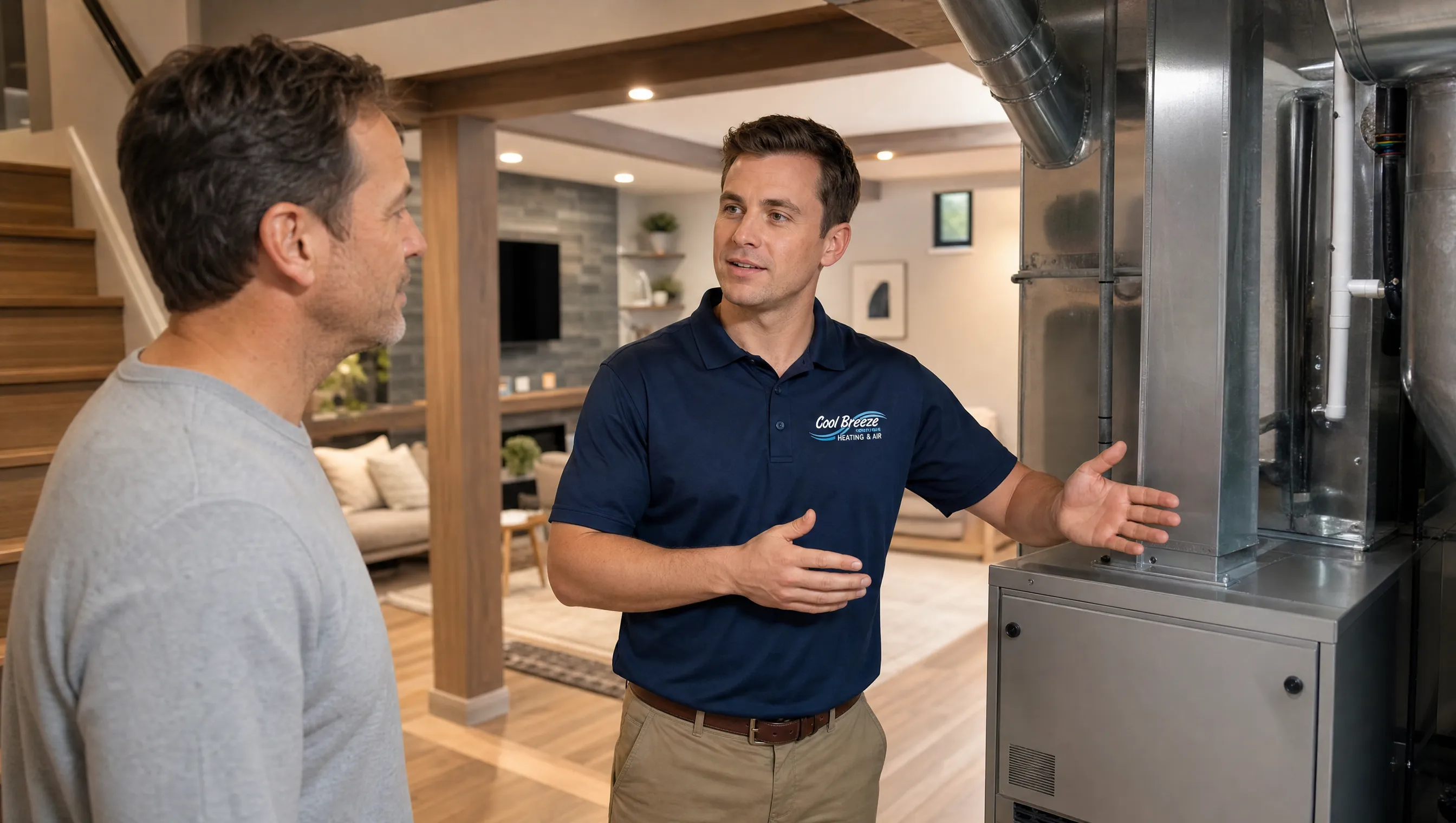
Managing HVAC service contracts effectively can significantly impact the performance of shared systems. Best practices include:
- Key Elements of a Service Contract: Ensure that contracts include detailed scopes of work, performance standards, and timelines.
- Monitoring Contractor Performance: Regular assessments of contractor performance ensure adherence to contract terms.
- Budget Considerations: Allocate sufficient budget for maintenance and unexpected repairs to avoid financial strain on the association.
What Are the Procedures for AC Repair and Installation in Daytona Beach HOAs?
The repair and installation of air conditioning systems in Daytona Beach HOAs follow specific regulatory procedures to ensure compliance and efficiency.
- Permit Requirements: Before installation begins, it is essential to acquire any necessary permits as mandated by local authorities.
- Pre-installation Assessments: Conduct thorough assessments to evaluate the current infrastructure and determine compatibility of new systems.
- Final Inspections: After installation, final inspections are crucial for compliance verification and operational efficiency.
What Steps Are Involved in HOA-Compliant AC Installation?
Installing air conditioning systems in accordance with HOA guidelines involves a series of critical steps that ensure legal compliance and operational functionality:
- Acquire Necessary Permits: Check local regulations for required permits before installation commences.
- Conduct System Assessments: Evaluate existing HVAC setups to guide installation processes.
- Plan for Final Compliance Checks: Schedule inspections to certify that the installation meets all regulatory standards.
How to Troubleshoot Common AC Issues in HOA and Condo Systems?
Troubleshooting AC issues in shared systems involves identifying frequent problems and taking appropriate actions to rectify them:
- Identifying Frequent Issues: Common issues include inadequate cooling, unusual noises, or intermittent shutdowns that require immediate attention.
- Basic Repair Steps: For minor issues, property managers can check thermostat settings, ensure filters are clean, and examine electrical connections.
- When to Call a Professional: If problems persist after basic troubleshooting, it is advisable to contact a certified HVAC technician for thorough diagnostics.
How Can HOAs Optimize HVAC Energy Efficiency and Compliance in Volusia County?
Improving HVAC energy efficiency not only supports environmental goals but also reduces operational costs for HOAs. It is essential for property managers to stay informed about the latest updates in HVAC compliance to ensure systems operate efficiently.
- Benefits of Energy-Efficient Systems: Upgrading to modern, energy-efficient systems can significantly lower utility costs and environmental impact.
- Local Compliance Updates: Regularly review Volusia County regulations to ensure adherence to evolving standards.
- Cost Savings Associated with Efficient Systems: Investing in energy-efficient technologies pays off over time through reduced energy bills.
What Are the Latest HVAC Compliance Updates for HOA Communities?
Staying updated with the latest HVAC compliance updates is essential for HOAs to avoid penalties and enhance system reliability. Updates may include:
- Summary of New Regulations: Recent changes in HVAC laws often require modernized systems for improved energy efficiency.
- Impacts on Existing Systems: Assessing how new regulations affect currently installed HVAC systems is vital for long-term compliance.
- Recommendations for Compliance: Implement recommended practices to ensure ongoing adherence to evolving standards.
Which HVAC Upgrades Improve Energy Efficiency and Lower Costs?
Making specific upgrades to HVAC systems can substantially enhance energy efficiency. Consider the following advancements:
- Types of Upgrades Available: Implementing programmable thermostats, high-efficiency filters, and variable speed fans can optimize performance.
- Cost Analysis: Performing a cost analysis on potential upgrades can help HOA boards allocate budget effectively.
- Long-term Benefits: Energy-efficient upgrades provide both immediate and long-term cost savings, improving property value and occupant satisfaction.
This comprehensive overview assists HOA and condominium managers in achieving effective HVAC control in Volusia County, fostering compliance, efficiency, and enhanced tenant satisfaction.