
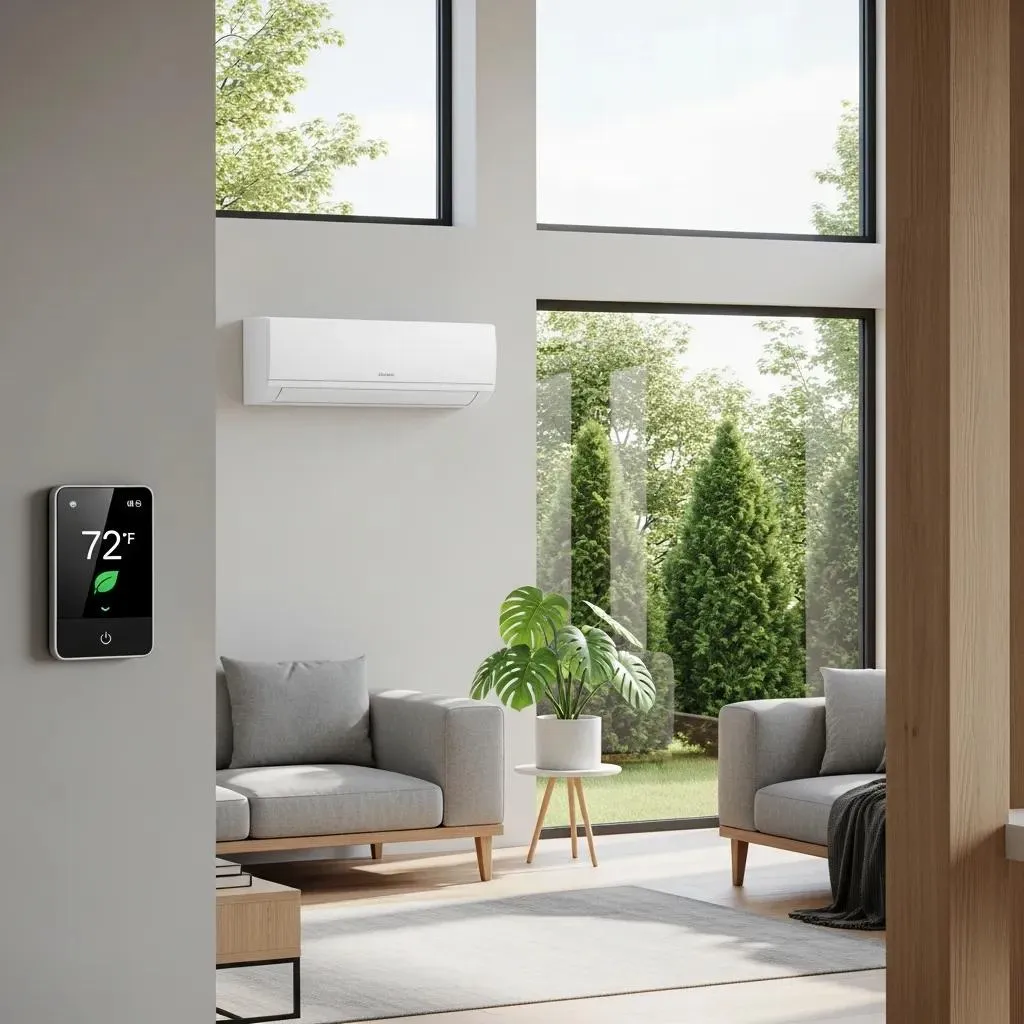
New HVAC Technologies to Watch: Energy-Efficient Systems and Smart Integration for Informed Choices
As the demand for sustainable living increases, the HVAC industry is evolving with innovative technologies that enhance energy efficiency and comfort. This article explores the latest advancements in HVAC systems, focusing on energy-efficient air conditioners, smart thermostat integration, zoning systems, ductless mini-split technology, and eco-friendly heating solutions. Readers will learn how these technologies not only reduce energy costs but also contribute to a healthier environment. With rising energy prices and environmental concerns, understanding these technologies is crucial for making informed choices. We will delve into the benefits of energy-efficient systems, the role of smart thermostats, and the advantages of modern heating solutions tailored for homes in Daytona Beach and Volusia County.
What Are the Latest Energy-Efficient Air Conditioners and Their Benefits?
Energy-efficient air conditioners represent a significant advancement in HVAC technology, designed to minimize energy consumption while maximizing cooling performance. These systems utilize advanced technologies such as variable-speed compressors and high SEER (Seasonal Energy Efficiency Ratio) ratings to deliver superior efficiency. Homeowners benefit from lower energy bills and reduced environmental impact, making these systems a smart investment for both comfort and sustainability.
Despite their clear advantages in efficiency and comfort, variable-speed compressor systems still represent a small portion of the market, as highlighted by recent research.
Variable Speed Compressors: HVAC Efficiency & Comfort
Homeowners in the United States can generally choose among three types of air conditioning systems: fixed-speed compressor systems that cycle on and off to deliver an average cooling capacity; fixed-speed / multi-capacity compressor systems with reduced cycling; and variable speed compressor systems that match the cooling load of the household, thereby delivering better temperature and humidity control with higher efficiency and comfort levels. While HVAC systems account for about 45% of the energy consumption in U.S. homes and variable speed compressor systems can achieve significantly higher efficiency, they only account for 10% of the market and systems installed in new buildings mostly remain single speed. This could be explained in part by the initial system cost and the complex electronic circuitry used to vary compressor speed.
Seasonal energy efficiency rating improvement of residential HVAC systems using a low power inverter with a PSC compressor, N Salts, 2018
How Do Energy-Efficient HVAC Systems Reduce Costs and Environmental Impact?
Energy-efficient HVAC systems significantly lower costs and environmental impact through several mechanisms. By utilizing high-efficiency components, these systems consume less electricity, leading to lower energy bills. Additionally, many energy-efficient systems qualify for rebates and tax incentives, further reducing upfront costs. Improved air quality is another benefit, as these systems often include advanced filtration options that remove pollutants and allergens from indoor air.
Which Features Define Modern Energy-Efficient Air Conditioners?
Modern energy-efficient air conditioners are characterized by several key features that enhance their performance and efficiency. High SEER ratings indicate superior energy efficiency, while smart thermostat compatibility allows for optimized temperature control. Variable-speed technology enables these systems to adjust their cooling output based on real-time demand, ensuring comfort without excessive energy use.
FeatureDescriptionBenefitHigh SEER RatingsIndicates energy efficiencyLower energy billsSmart Thermostat CompatibilityIntegrates with smart home systemsEnhanced control and convenienceVariable-Speed TechnologyAdjusts cooling output dynamicallyImproved comfort and efficiency
These features collectively contribute to the growing popularity of energy-efficient air conditioners among homeowners.
How Does Smart Thermostat Integration Improve HVAC Performance?

Smart thermostat integration is revolutionizing HVAC performance by providing homeowners with advanced control over their heating and cooling systems. These devices learn user preferences and adjust settings automatically, optimizing energy use while maintaining comfort. The ability to control HVAC systems remotely via smartphone apps adds convenience and efficiency, making smart thermostats a valuable addition to modern homes.
What Are the Key Benefits of Smart Thermostats in Home HVAC Systems?
Smart thermostats offer several key benefits that enhance the overall performance of HVAC systems. They provide energy monitoring features that allow homeowners to track usage patterns and identify opportunities for savings. Additionally, the convenience of remote control capabilities enables users to adjust settings from anywhere, ensuring optimal comfort when they return home. Improved efficiency leads to lower energy costs, making smart thermostats a wise investment.
How Do Smart Thermostats Work with HVAC Automation Solutions?
Smart thermostats work seamlessly with HVAC automation solutions to enhance system performance. By integrating with other smart home devices, they can optimize energy consumption based on occupancy and weather conditions. For example, when no one is home, the thermostat can adjust the temperature to save energy, and when it detects that residents are returning, it can pre-cool or pre-heat the home for comfort. This level of automation not only improves efficiency but also simplifies home management.
What Are HVAC Zoning Systems and How Do They Enhance Comfort?
HVAC zoning systems allow for independent temperature control in different areas of a home, enhancing comfort and energy efficiency. By dividing a home into zones, these systems enable tailored heating and cooling based on individual preferences and usage patterns. This targeted approach reduces energy waste and ensures that each room maintains the desired temperature.
How Does HVAC Zoning Save Energy and Customize Temperature Control?
HVAC zoning saves energy by allowing homeowners to heat or cool only the areas that are in use. This targeted approach minimizes energy waste associated with heating or cooling unoccupied spaces. Additionally, zoning systems can be programmed to adjust temperatures based on occupancy schedules, further optimizing energy use and enhancing comfort.
What Are Common Applications of HVAC Zoning in Residential and Commercial Settings?
HVAC zoning systems are commonly applied in various settings, including residential homes and commercial buildings. In residential settings, zoning is particularly beneficial for multi-story homes where temperature variations can occur between floors. In commercial spaces, zoning allows for customized climate control in different areas, accommodating diverse occupancy levels and activities.
Why Is Ductless Mini Split Technology Gaining Popularity?
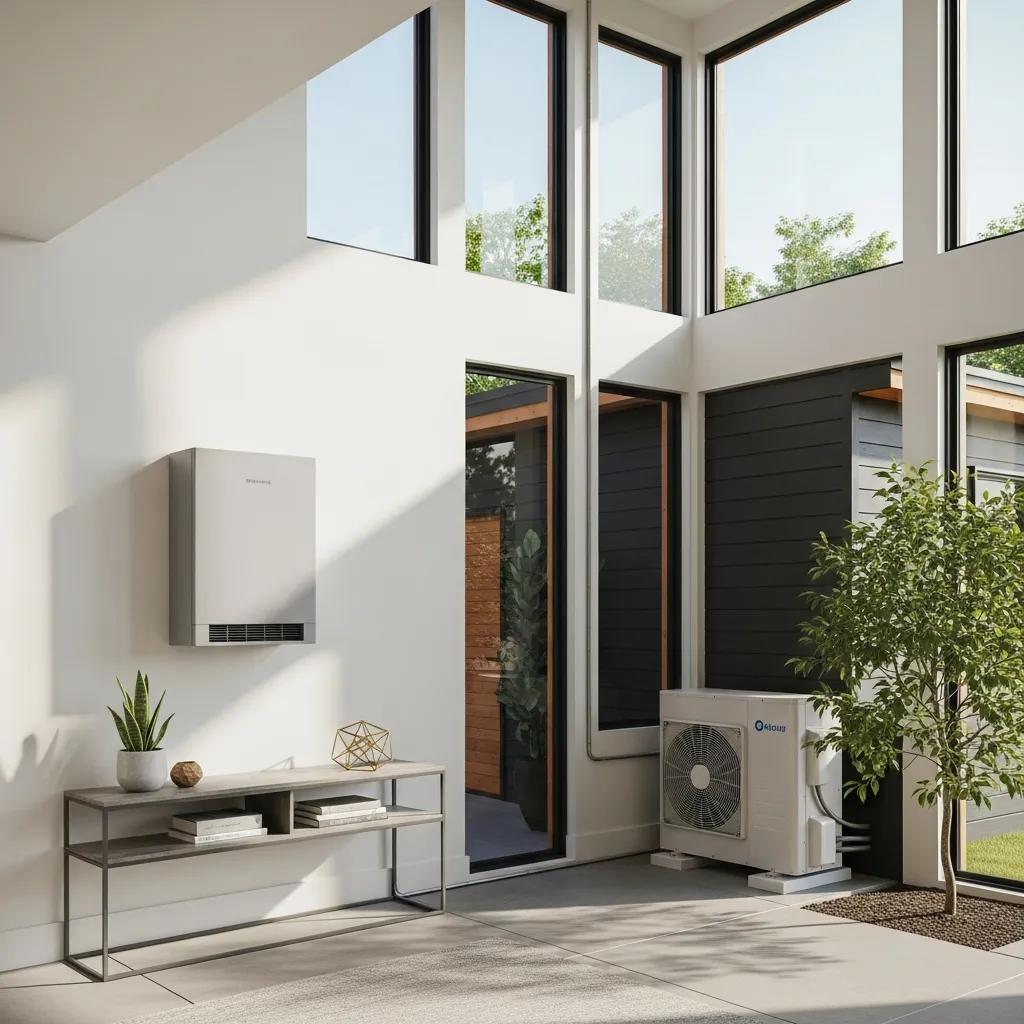
Ductless mini-split technology is gaining popularity due to its energy efficiency and flexibility. These systems consist of an outdoor compressor unit and one or more indoor air-handling units, allowing for targeted heating and cooling without the need for ductwork. This makes them an ideal solution for homes without existing duct systems or for those looking to add heating and cooling to specific areas.
What Are the Advantages of Ductless Mini Split Systems Compared to Traditional HVAC?
Ductless mini-split systems offer several advantages over traditional HVAC systems. They are more energy-efficient, as they eliminate energy losses associated with ductwork. Additionally, these systems provide greater flexibility in installation, allowing homeowners to customize their heating and cooling solutions based on specific needs. The quiet operation of ductless systems also enhances comfort, making them a popular choice for residential applications.
How Do Ductless Systems Contribute to Energy Efficiency and Flexibility?
Ductless systems contribute to energy efficiency by delivering conditioned air directly to the living space, minimizing energy loss. Their flexibility allows for easy installation in various configurations, making them suitable for both new constructions and retrofits. Homeowners can also control each indoor unit independently, further optimizing energy use and comfort levels.
Which Eco-Friendly Heating Solutions Are Best for Daytona Beach Homes?
In Daytona Beach, eco-friendly heating solutions are essential for reducing carbon footprints and energy consumption. Options such as heat pumps and solar heating systems are particularly effective in the local climate, providing efficient heating while minimizing environmental impact. These systems not only contribute to sustainability but also offer long-term cost savings for homeowners.
How Do Eco-Friendly Heating Systems Reduce Carbon Footprint and Energy Use?
Eco-friendly heating systems reduce carbon footprints by utilizing renewable energy sources and high-efficiency technologies. For instance, heat pumps transfer heat rather than generating it, resulting in lower energy consumption. Additionally, many eco-friendly systems are designed to operate efficiently in various weather conditions, ensuring reliable performance while minimizing environmental impact.
What Local Factors Influence the Choice of Eco-Friendly Heating in Volusia County?
Local factors such as climate, energy costs, and available incentives influence the choice of eco-friendly heating solutions in Volusia County. The warm climate allows for the effective use of heat pumps, while state and local incentives can make these systems more affordable. Homeowners are increasingly considering these factors when selecting heating solutions that align with their sustainability goals.