HVAC Basics: Understanding How Heating and Cooling Systems Work for Energy Efficiency
Heating, ventilation, and air conditioning (HVAC) systems are essential for maintaining comfortable indoor environments in homes and businesses. Understanding how these systems work can help homeowners make informed decisions about energy efficiency and comfort. This article will explore the fundamental components of HVAC systems, the mechanisms behind heating and cooling, and the importance of regular maintenance for optimal performance. By grasping these concepts, readers can enhance their knowledge of HVAC systems and improve their energy efficiency. We will cover the main components of HVAC systems, how heating and cooling systems operate, and essential maintenance tips to ensure longevity and efficiency.
What Are the Main Components of an HVAC System?
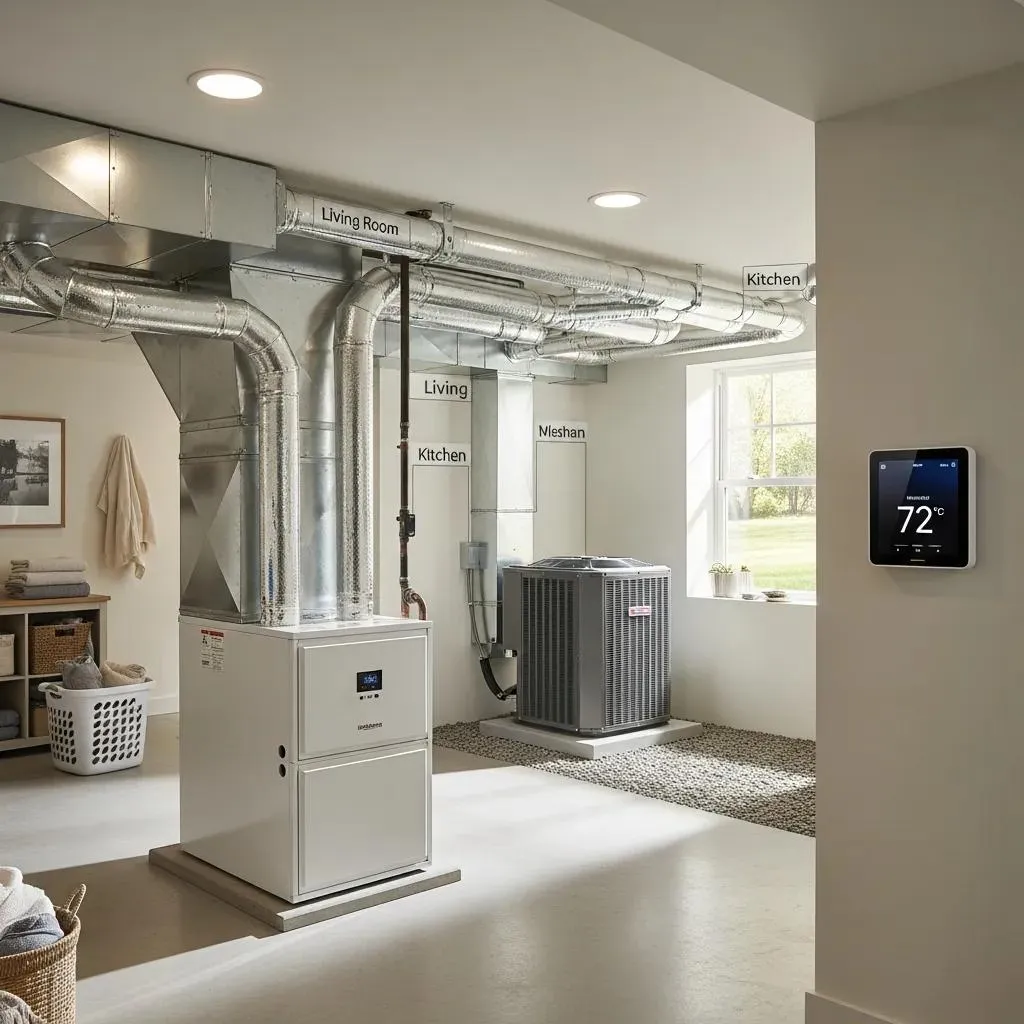
An HVAC system consists of several key components that work together to regulate indoor temperature and air quality. These components include furnaces, air conditioners, heat pumps, ductwork, and thermostats. Each plays a vital role in ensuring that your home remains comfortable throughout the year. Understanding these components is crucial for recognizing how they contribute to energy efficiency.
How Do Furnaces and Heat Pumps Heat Your Home?

Furnaces and heat pumps are the primary heating mechanisms in HVAC systems. Furnaces generate heat by burning fuel (such as natural gas, oil, or propane) or using electricity, distributing warm air through ductwork or heat exchangers. In contrast, heat pumps transfer heat from the outside air or ground into your home, making them more energy-efficient in moderate climates. Both systems can effectively maintain comfortable indoor temperatures, but their efficiency varies based on the specific technology used and the climate conditions.
What Role Do Air Conditioners and Cooling Systems Play?
Air conditioners are essential for cooling indoor spaces during hot weather. They work by removing heat and humidity from the air, circulating cool air back into the home. Cooling systems, including evaporator coils and condensers, play a crucial role in this process. By understanding how these systems function, homeowners can make informed choices about their cooling needs and energy consumption.
How Does a Heating System Operate to Warm Indoor Spaces?
Heating systems operate by generating and distributing heat throughout a building. The process begins with the thermostat, which detects the indoor temperature and signals the heating system to activate when it falls below a set point. The furnace or heat pump then generates or transfers heat, which is distributed through ductwork or radiators, warming the indoor air.
What Is the Furnace Heating Process?
The furnace heating process involves several steps. First, the thermostat signals the furnace to turn on. The furnace ignites the fuel or activates the electric heating elements, generating heat. This heat is then transferred to the air, which is blown through the ductwork and into the living spaces. Regular maintenance, such as changing filters and cleaning ducts, is essential for ensuring efficient operation.
How Do Heat Pumps Provide Efficient Heating?
Heat pumps provide efficient heating by transferring heat rather than generating it. In winter, they extract heat from the outside air or ground and transfer it indoors. This process requires less energy than traditional heating methods, making heat pumps an environmentally friendly option. Homeowners can benefit from lower energy bills and reduced carbon footprints by choosing heat pumps for their heating needs.
What Are the Basics of Cooling Systems in HVAC?
Cooling systems are designed to lower indoor temperatures and improve air quality. They consist of various components, including compressors, evaporators, and condensers, which work together to remove heat from the indoor air. Understanding these components helps homeowners appreciate the importance of regular maintenance and energy-efficient practices.
How Do Air Conditioners Cool Your Home?

Air conditioners cool homes by circulating refrigerant through a closed loop system. The refrigerant absorbs heat from the indoor air and releases it outside, effectively lowering the indoor temperature. Regular maintenance, such as cleaning coils and checking refrigerant levels, is crucial for ensuring optimal performance and energy efficiency.
What Is the Function of Thermostats in Cooling Control?
Thermostats play a vital role in controlling cooling systems. They monitor indoor temperatures and signal the air conditioner to turn on or off based on the desired settings. Programmable thermostats can further enhance energy efficiency by allowing homeowners to set specific cooling schedules, reducing energy consumption when the home is unoccupied.
How Can You Maintain Your HVAC System for Optimal Performance?
Regular maintenance is essential for ensuring that HVAC systems operate efficiently and effectively. Homeowners should perform routine checks and maintenance tasks to prolong the lifespan of their systems and improve energy efficiency. Here are some essential maintenance tips:
- Change Filters Regularly: Dirty filters can restrict airflow and reduce efficiency. Change filters every 1-3 months to maintain optimal performance.
Research highlights the critical role of filter maintenance not just for energy savings, but more significantly for preventing costly equipment failures.
HVAC Filter Maintenance: Energy Efficiency & Equipment Longevity
ABSTRACT: An analysis was performed of changes in energy consumption caused by dirty filters for heating, ventilation, and air-conditioning systems during both heating and cooling cycles. Basic heat-transfer fundamentals and the vapor-compression refrigeration cycle for air conditioners were used. The energy cost savings between a dirty and a clean filter were small and were mainly offset by the filter cost. However, the consequences of deferring filter replacement could be very costly because of early equipment failures.
Impact of air-filter condition on hvac equipment, 1986
- Schedule Professional Inspections: Annual inspections by a qualified technician can identify potential issues before they become major problems.
- Clean Ductwork: Dust and debris can accumulate in ductwork, reducing airflow and efficiency. Regular cleaning can improve indoor air quality and system performance.
What Are Essential HVAC Maintenance Tips for Homeowners?
Homeowners can take several steps to maintain their HVAC systems effectively. These include:
- Inspecting and Cleaning Coils: Regularly check and clean the evaporator and condenser coils to ensure efficient heat exchange.
- Checking Refrigerant Levels: Low refrigerant levels can indicate leaks, which should be addressed promptly by a professional.
- Testing Thermostat Functionality: Ensure that the thermostat is functioning correctly and accurately reflecting indoor temperatures.
How Does Regular Maintenance Improve Energy Efficiency?
Regular maintenance significantly improves energy efficiency by ensuring that HVAC systems operate at peak performance. Well-maintained systems consume less energy, leading to lower utility bills and a reduced environmental impact. Homeowners who prioritize maintenance can enjoy a comfortable indoor environment while minimizing energy costs.
By understanding the basics of HVAC systems, including their components, operation, and maintenance, homeowners can make informed decisions that enhance energy efficiency and comfort. For those in need of professional HVAC services, Cool Breeze Heat and Air LLC offers reliable heating and cooling solutions tailored to the needs of homeowners and businesses in Daytona Beach and Volusia County, Florida.