
Major HVAC Components Explained: Understanding Compressor, Evaporator Coil, Condenser, and Air Handler Functions
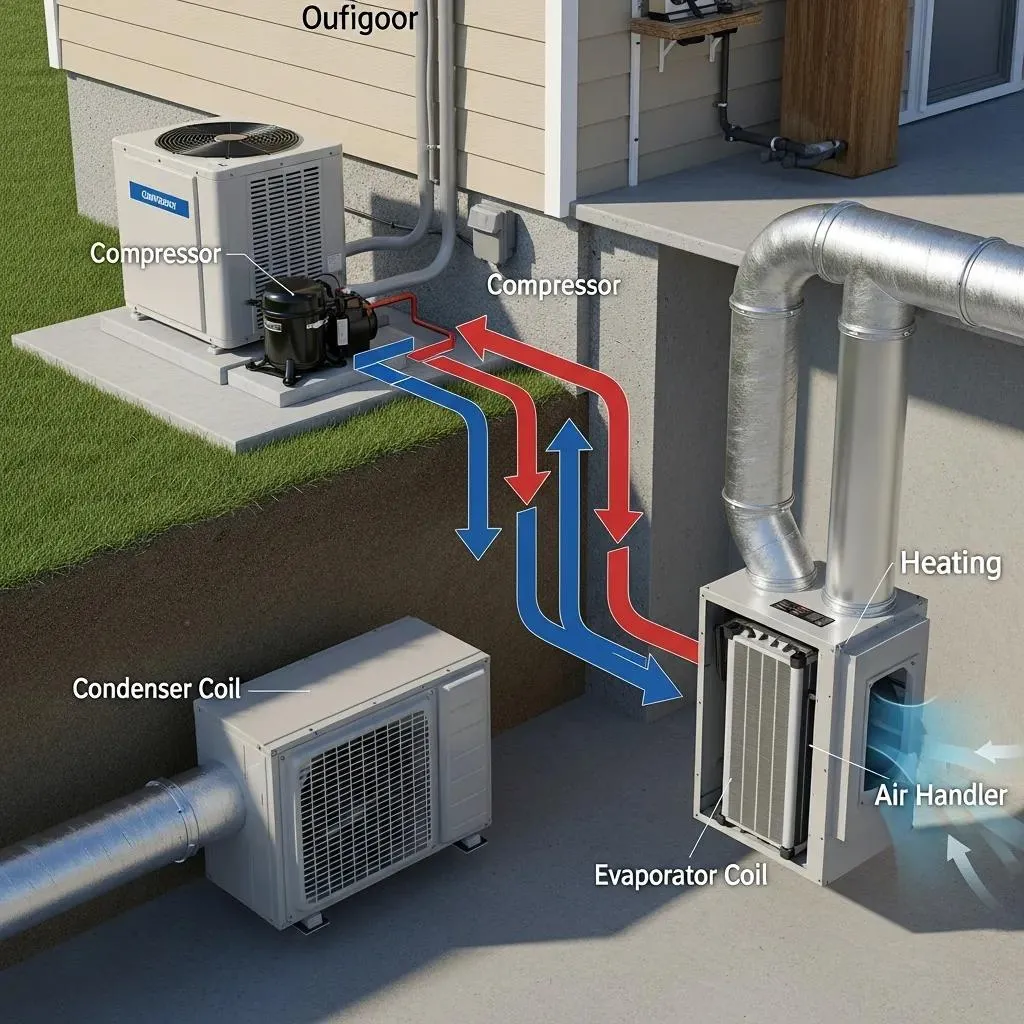
Understanding the major components of HVAC systems is essential for anyone looking to maintain or improve their heating and cooling efficiency. This article delves into the functions of the compressor, evaporator coil, condenser, and air handler, providing insights into how each component contributes to overall system performance. Many homeowners face challenges with energy efficiency and indoor comfort, which can often be traced back to issues within these key components. By understanding their roles, you can make informed decisions about maintenance and upgrades. We will explore the operation of each component, their types, and maintenance practices, ensuring you have a comprehensive understanding of HVAC systems.
What is the role of the HVAC compressor in system performance?
The HVAC compressor is a critical component that pumps refrigerant through the system, facilitating the heat exchange process essential for cooling and heating. It compresses the refrigerant, raising its pressure and temperature, which allows it to circulate through the system effectively. This process is vital for maintaining the desired indoor climate, as it directly impacts the efficiency and performance of the HVAC system. A well-functioning compressor ensures optimal energy use and comfort levels in your home.
How does the compressor function within the HVAC system?
The compressor operates by taking in low-pressure refrigerant vapor from the evaporator coil and compressing it into a high-pressure gas. This high-pressure gas then moves to the condenser, where it releases heat and transforms back into a liquid. This cycle is crucial for the refrigerant to absorb heat from the indoor air and release it outside, thus cooling the space. Understanding this process highlights the importance of the compressor in maintaining efficient HVAC operation.
What are the common types of HVAC compressors?
There are several types of HVAC compressors, each with its advantages and disadvantages. The most common types include:
- Reciprocating Compressors: These use pistons to compress the refrigerant and are known for their reliability and efficiency in many applications.
- Scroll Compressors: These feature two spiral elements and are quieter and often more efficient than reciprocating compressors.
- Rotary Compressors: These use rotating mechanisms and are typically found in smaller systems due to their compact size.
Each type of compressor has its specific applications and efficiency ratings, making it essential to choose the right one for your HVAC system.
Further research highlights the importance of specific compressor types, such as digital scroll compressors, in developing energy efficiency models for HVAC systems.
Digital Scroll Compressor, Condenser, Evaporator: HVAC Energy Efficiency Model
Lumped parameter model of compressor and electronic expansion valve, and district lumped parameter model of condenser and evaporator were employed in simulation program of multi-unit AC system with DSC. The results indicated that errors between simulated value and experimental data of system hourly energy consumption were within 10%. The simulation model showed good precision. Simulation results indicated that system hourly energy consumption differences caused by indoor unit operating number were less than 15%, which can be neglected. Thus, hourly energy consumption (HW), hourly energy efficiency ratio (HEER) and hourly heating performance factor (HHPF) calculation model of multi-unit AC system with DSC were built based on simula
Study on energy consumption model of multi-unit air conditioning system with digital scroll compressor, L Wang, 2020
How do evaporator coil types affect HVAC cooling efficiency?

Evaporator coils play a significant role in the cooling efficiency of HVAC systems. They absorb heat from the indoor air, allowing the refrigerant to evaporate and cool the air that circulates through your home. The design and type of evaporator coil can significantly impact the system's overall efficiency and performance.
What designs of evaporator coils are used in HVAC systems?
Various designs of evaporator coils are utilized in HVAC systems, including:
- Finned Tube Coils: These are the most common type, featuring metal fins that increase surface area for better heat exchange.
- Plate Coils: These consist of flat plates and are sometimes used in units where compactness is needed.
- Microchannel Coils: These use small channels for refrigerant flow, enhancing heat transfer efficiency and reducing refrigerant charge.
Each design has its specific applications and benefits, influencing the overall efficiency of the HVAC system.
What maintenance practices keep evaporator coils effective?
To ensure evaporator coils operate efficiently, regular maintenance is essential. Key practices include:
- Regular Cleaning: Dust and debris can accumulate on coils, reducing their efficiency. Cleaning them regularly helps maintain optimal performance.
- Inspection: Periodic inspections can identify potential issues before they become significant problems, ensuring the system runs smoothly.
- Checking Refrigerant Levels: Ensuring the correct refrigerant levels is crucial for efficient operation, as low levels can lead to reduced cooling capacity.
Implementing these maintenance practices can significantly enhance the longevity and efficiency of your HVAC system.
What components make up the HVAC air handler and their functions?

The air handler is a vital component of HVAC systems, responsible for circulating air throughout the home. It contains several key parts that work together to ensure efficient airflow and temperature control.
Which parts are included in an air handler unit?
An air handler unit typically includes:
- Blower Motor: This component drives the airflow through the system.
- Air Filter: Filters out dust and allergens, improving indoor air quality.
- Coils: These can be heating or cooling coils, depending on the system's design.
Each part plays a crucial role in ensuring that the air handler operates effectively, contributing to the overall performance of the HVAC system.
How does the air handler contribute to indoor air quality?
The air handler significantly impacts indoor air quality by filtering and circulating air throughout the home. A well-maintained air handler can:
- Improve Air Filtration: High-quality filters capture dust, pollen, and other allergens, promoting healthier indoor air.
- Control Humidity: By regulating airflow and temperature, air handlers help maintain optimal humidity levels, preventing mold growth and discomfort.
Understanding the air handler's role in indoor air quality can help homeowners make informed decisions about their HVAC systems.
What is the function of the HVAC condenser unit in the refrigerant cycle?
The HVAC condenser unit is essential in the refrigerant cycle, responsible for releasing heat absorbed by the refrigerant from the indoor air. This process is crucial for maintaining the cooling cycle and ensuring efficient HVAC operation.
How does the condenser unit operate within the cooling process?
The condenser unit operates by receiving high-pressure refrigerant gas from the compressor. As the gas passes through the condenser coils, it releases heat to the outside air and transforms back into a liquid. This liquid refrigerant then returns to the evaporator coil to continue the cooling cycle. Understanding this process highlights the importance of the condenser in maintaining efficient HVAC operation.
What are key maintenance tips for HVAC condensers?
To ensure the condenser operates efficiently, regular maintenance is essential. Key tips include:
- Cleaning the Coils: Dirt and debris can hinder heat exchange, so cleaning the coils regularly is crucial.
- Checking Fan Operation: Ensuring the condenser fan operates correctly helps maintain airflow and cooling efficiency.
- Inspecting Refrigerant Lines: Regularly checking for leaks or damage in refrigerant lines can prevent costly repairs and ensure optimal performance.
Implementing these maintenance practices can significantly enhance the longevity and efficiency of your HVAC system.